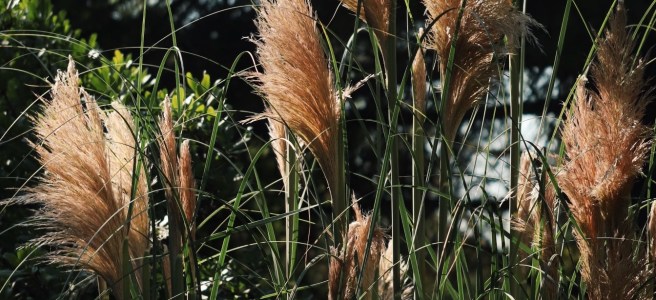
For someone who lives in France and is interested in Germany like myself, Alsace is an interesting place, simply because it is an interesting mixture of the two. At the same time, it feels like a country apart. Alsaciens are defiantly French, but they are deeply committed to their regional heritage, which includes Alsace wine, Choucroute, Kugelhof and so on, setting them apart from the rest of France. And its capital, Strasbourg, is the perfect showcase and gateway to this very special region in France.
Exploring Strasbourg…
To explore Strasbourg, it is important to keep in mind that the city, like its colourful history, is made up of layers of different influences. In practical terms, it means that Strasbourg can be divided into roughly three parts :
– Old Town, on the Grande Île
– Neustadt, northeast of the Grande Île
– Suburbs, the modern parts surrounding the first two areas
The nice things about exploring Strasbourg is that the city possesses an excellent public transport system and an impressive number of bike lanes. Whether you are using the tram or cycling around, it is really easy to move around the city and visit all the sights.
OLD TOWN
Strasbourg’s historic area is located on an artificial island called the Grande Île, literally the big island, formed by canals and the River Ill that feed into the Rhine river nearby. This is where you will find a concentration of the most important historical attractions in Strasbourg, centered around the impressive Strasbourg Cathedral.
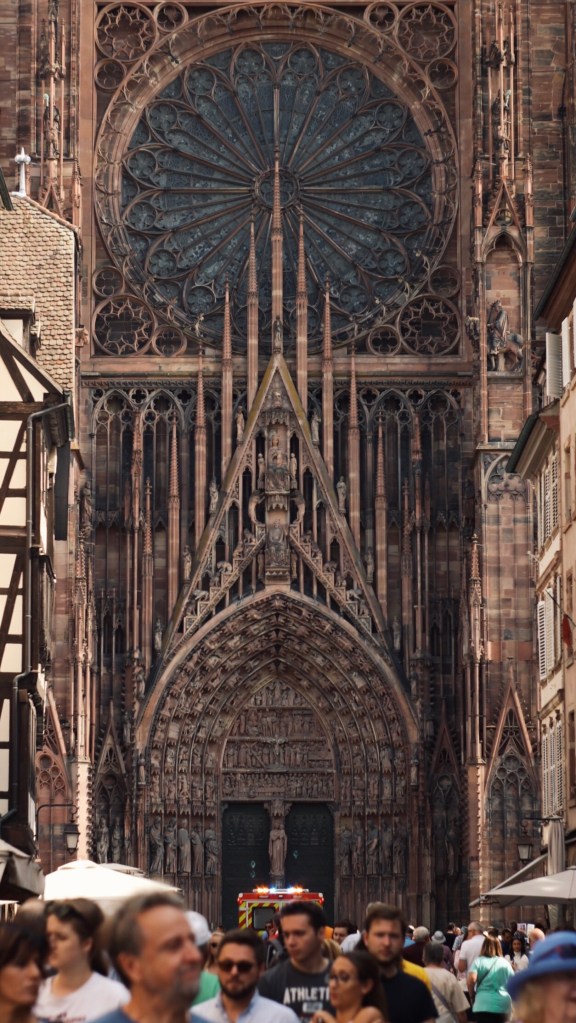
If you think about the many violent wars that were fought between France and Germany, the Old Town is surprisingly well preserved, even though it has suffered serious damages throughout its history.
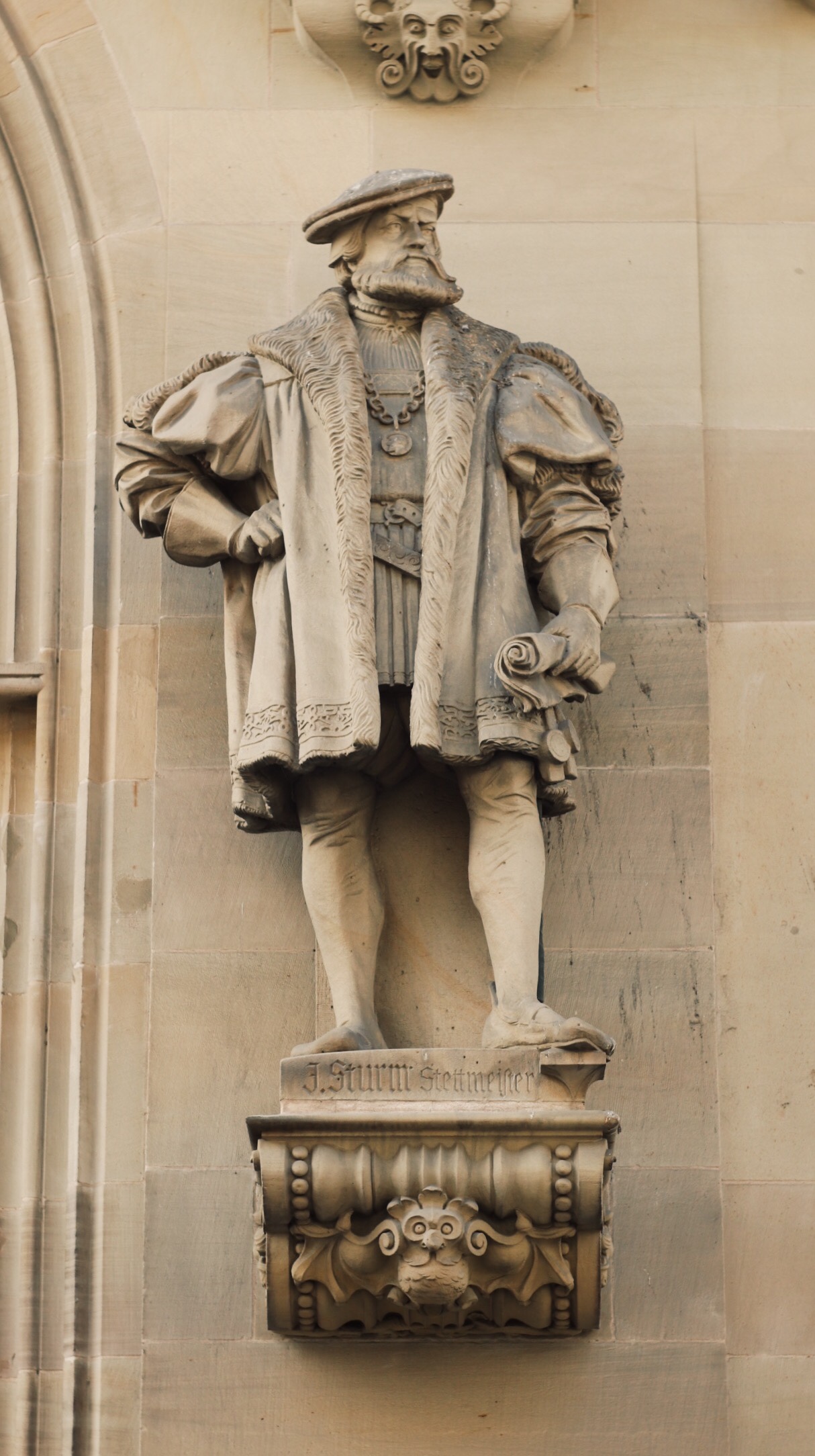
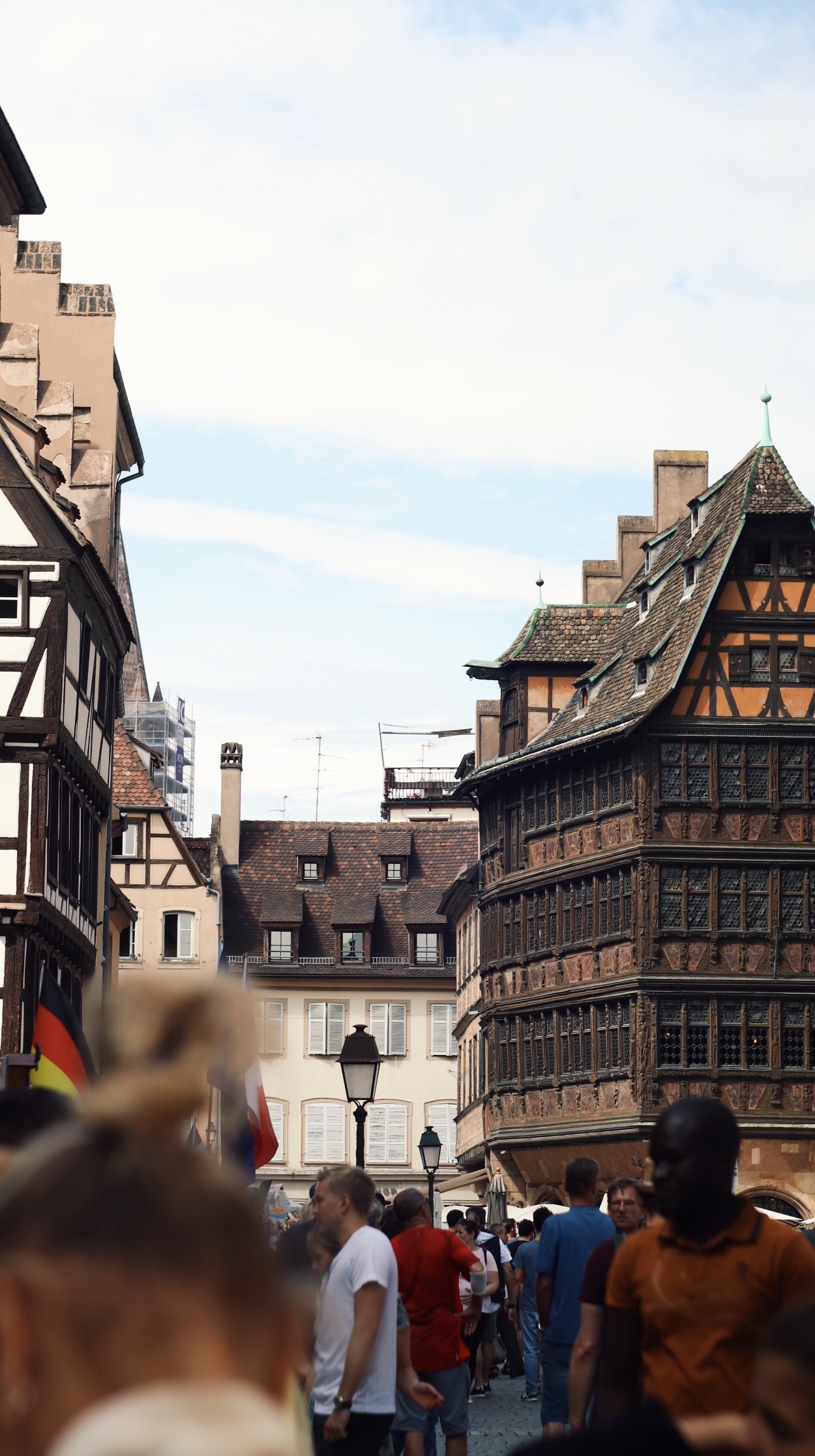
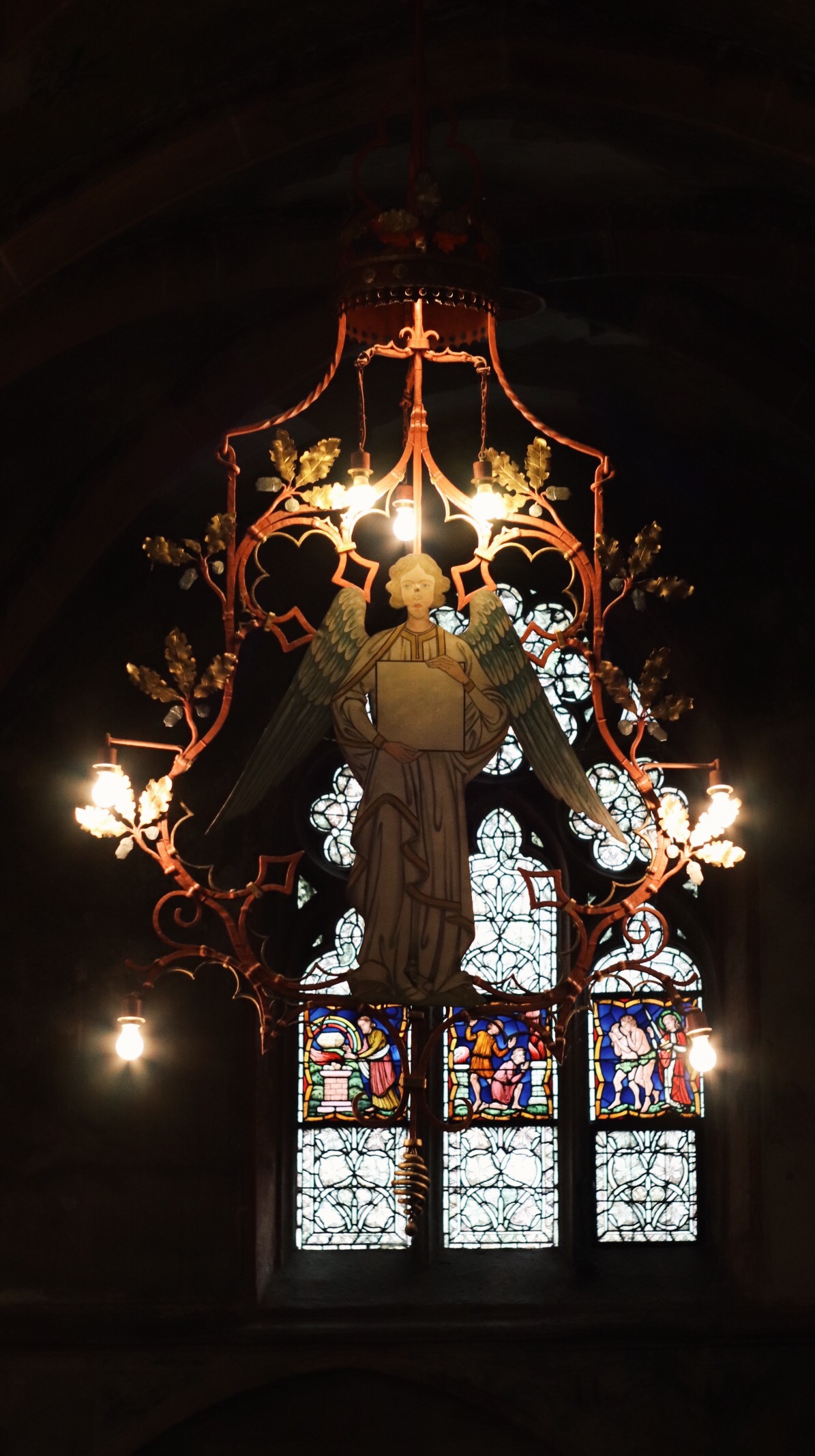
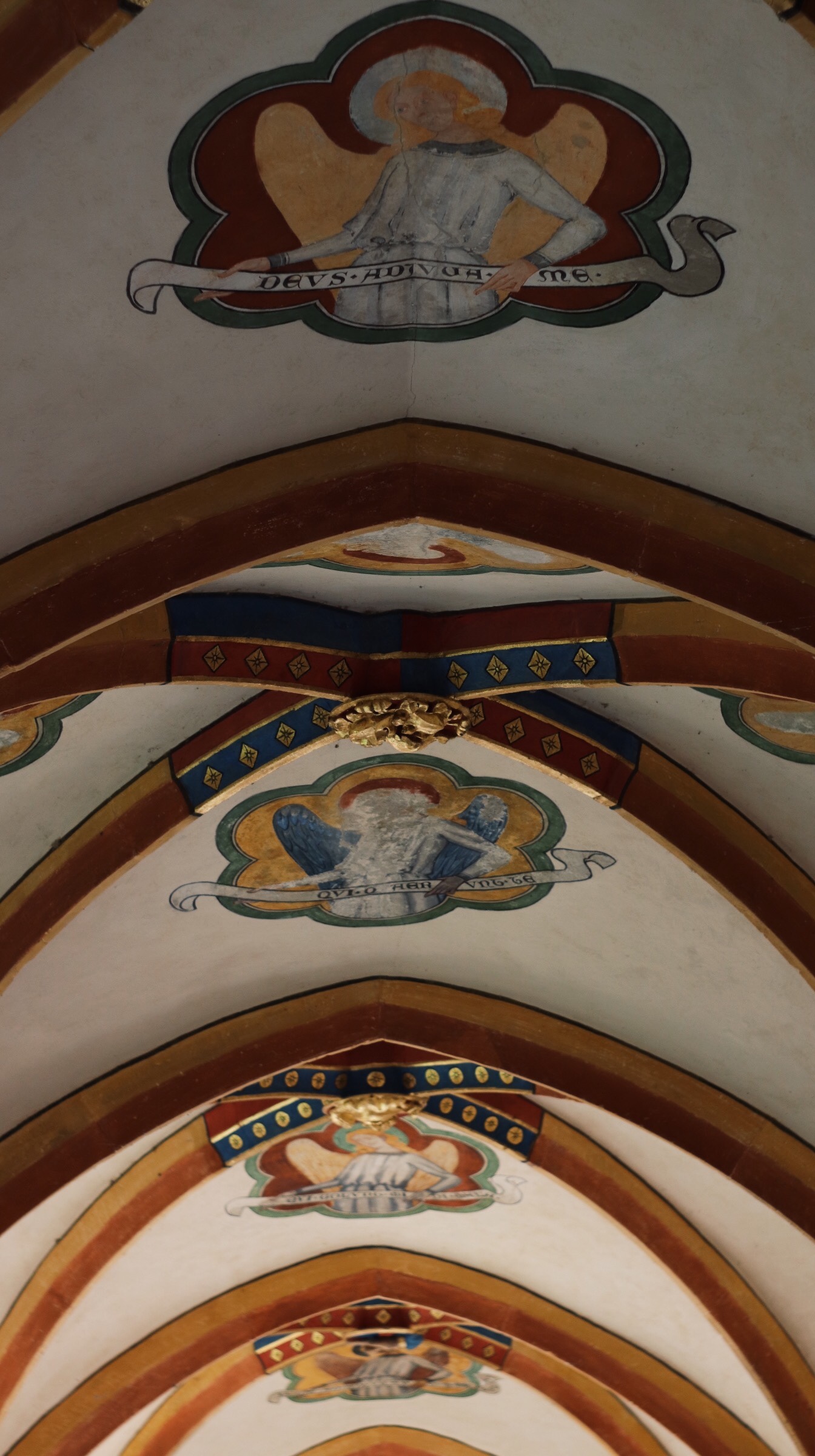

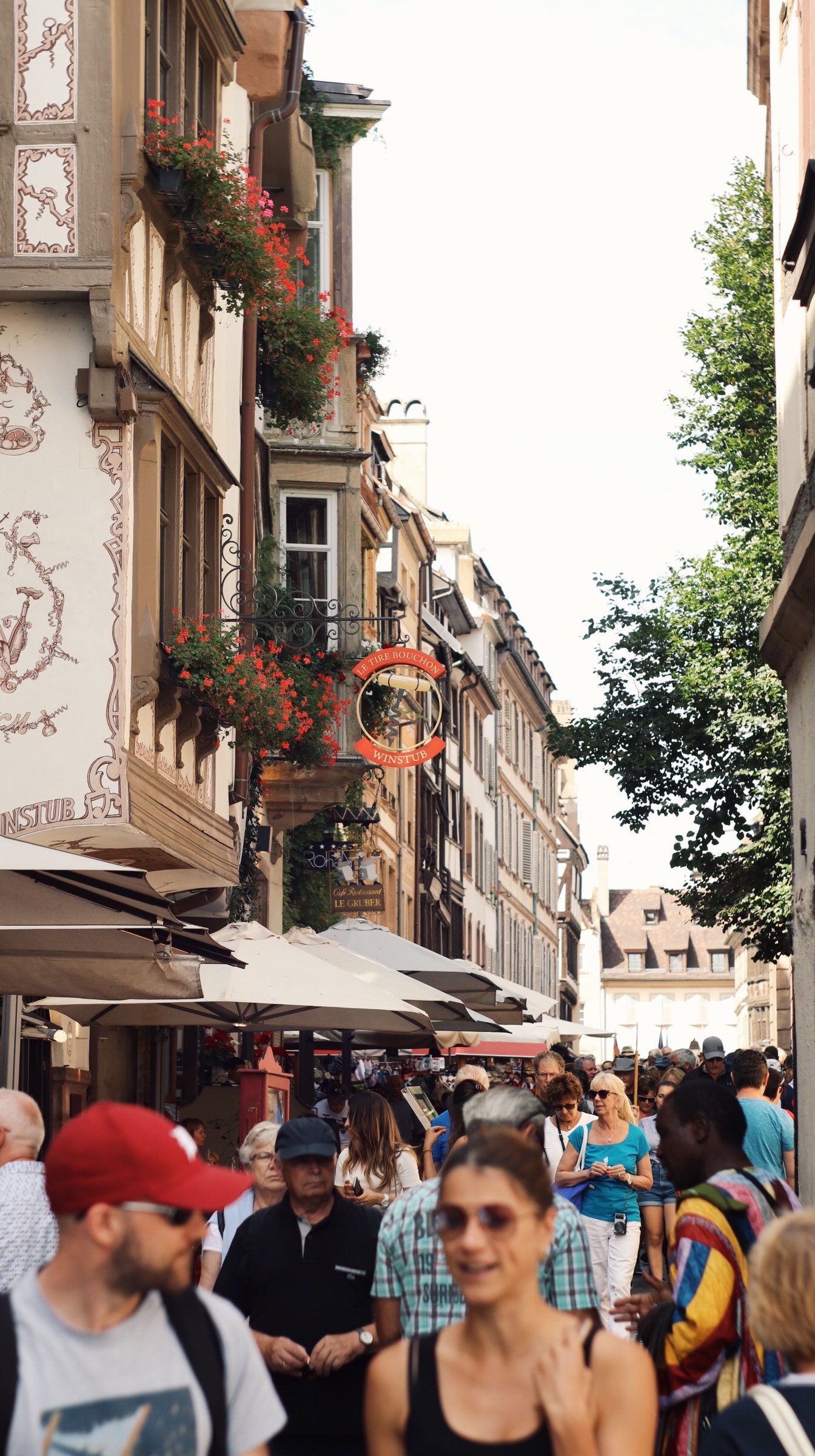
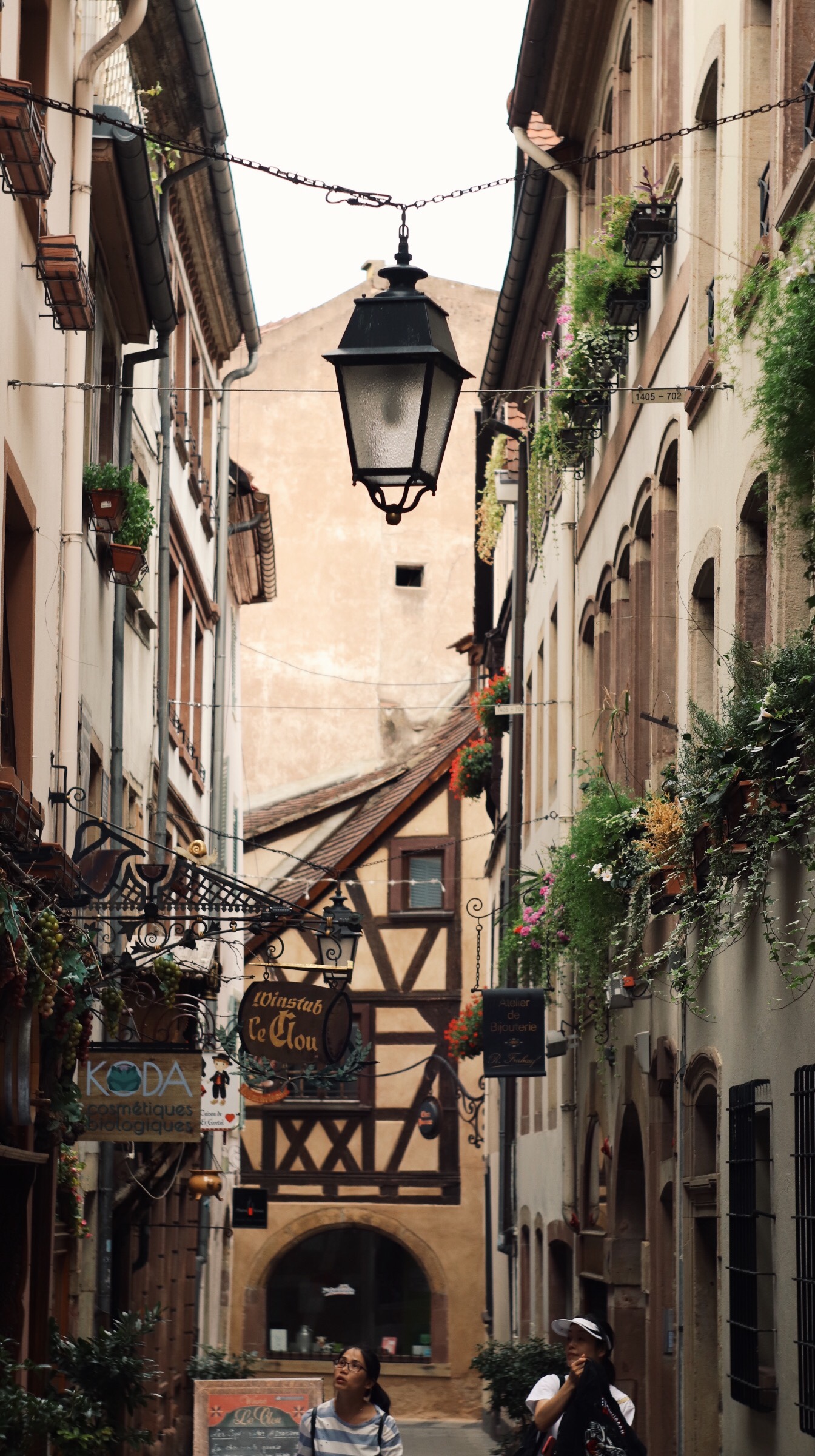
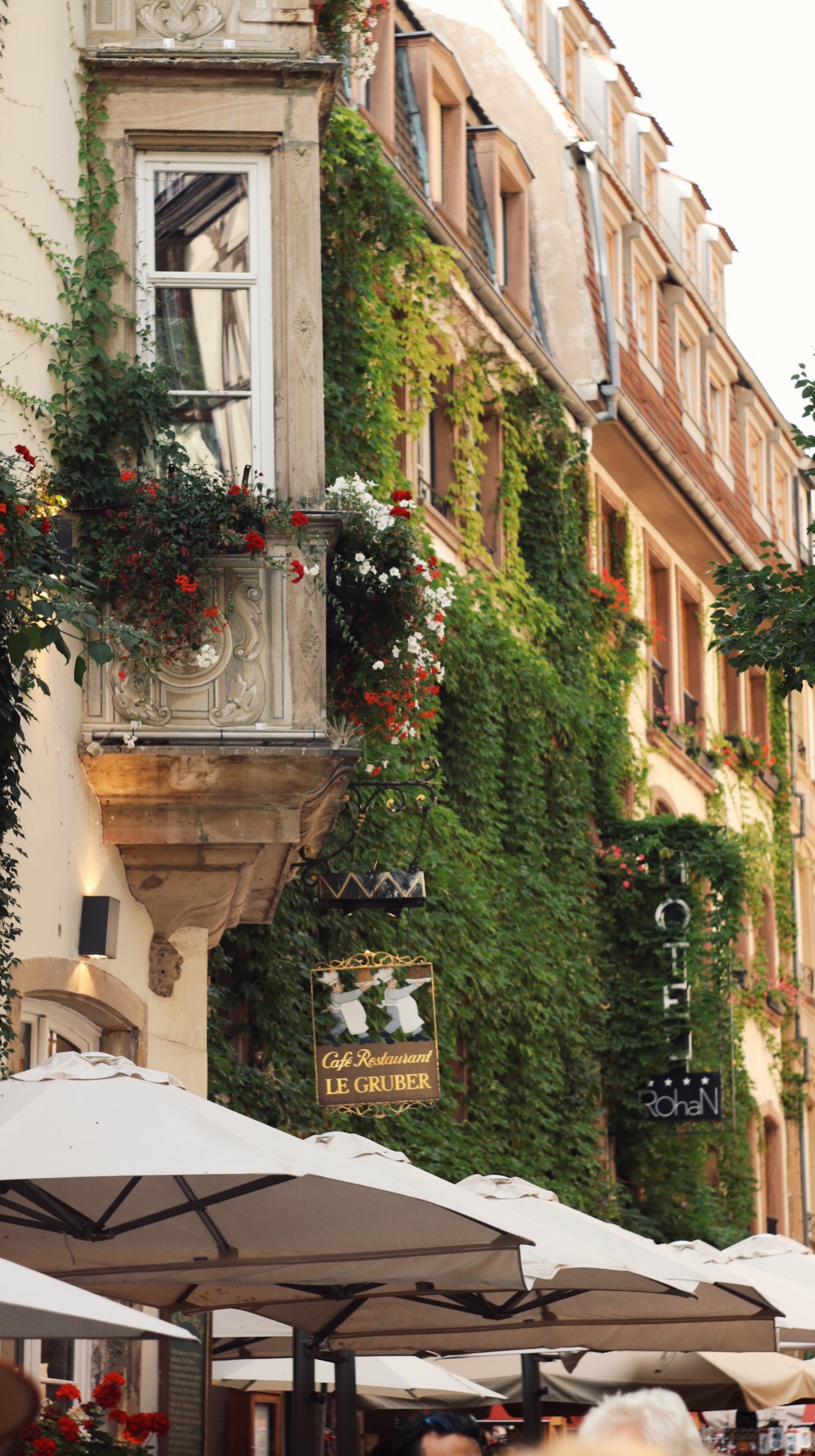
Strasbourg’s medieval and Germanic heritage is very evident in the Old Town. Here, you will be able to appreciate the beautiful Gothic architecture that Goethe loved so much, or find traces of Johannes Gutenberg’s footsteps during the Printing Revolution in the 15th century.
Lastly, I would definitely recomment a stroll around the southwesten edge of the Grande Île, an area called Petite France. This was historically the area for tanners, known for the beautiful half-timbered buildings and a defensive dam, called the Barrage Vauban (built according to a plan by the military engineer of Louis XIV, the Marquis de Vauban).
NEUSTADT
Neustadt is the area of Strasbourg that was built during the time when Alsace was part of the German Empire (1871 – 1918). The Germans built this area with a lot of enthusiasm and ambition, and we can see that through a number of monumental buildings such as the Palais du Rhin (ex Kaiserpalast) and the Palais Universitaire.
My favourite place in Neustadt is the Botanical Gardens of Strasbourg Univesity (Le Jardin botanique de l’université de Strasbourg), which finds itself at the extreme west of the area. It is a slightly neglected park but is nevertheless well tended, with an interesting selection of fauna, a tropical greenhouse and an old planetarium.
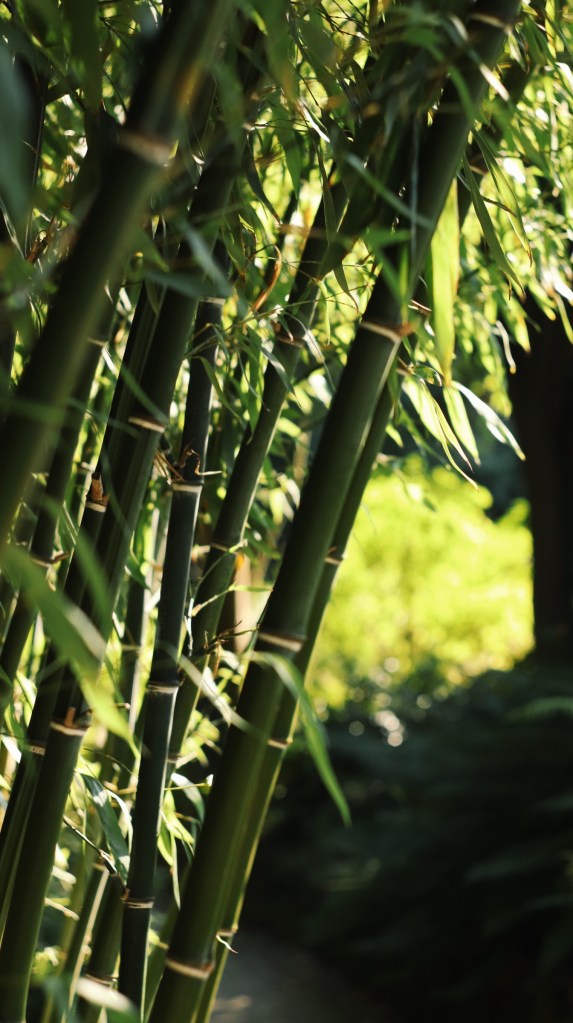
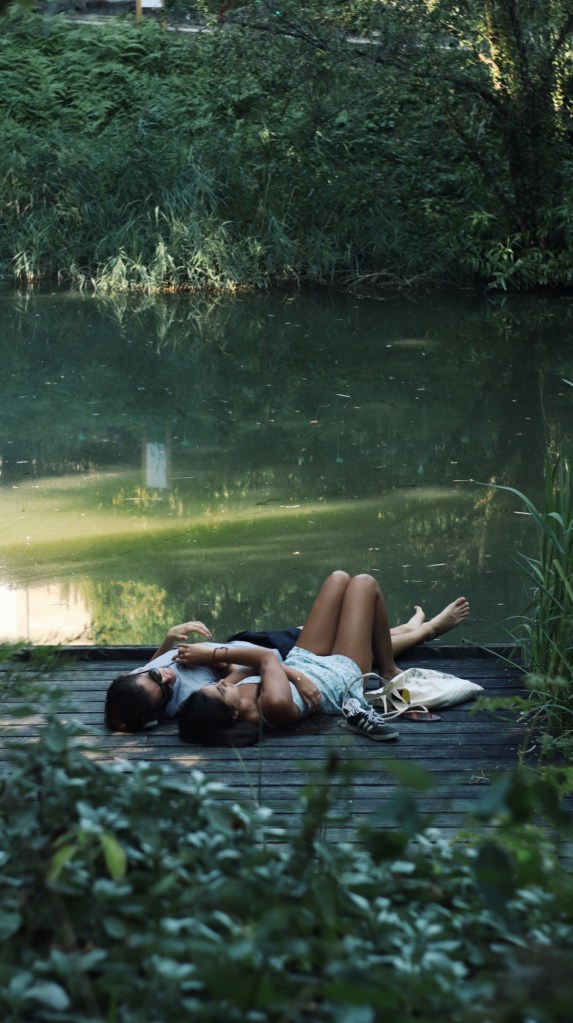
The area represents an important concentration of Jugendstil buildings – something that Germany itself has lost enormously due to WWII. This explains why Neustadt is inscribed in the list of UNESCO World Heritage sites. And I like this part of Strasbourg precisely for that reason. Indeed, walking along the streets in Neustadt feels like a trip back in time, as in Germany in 1930s. The ironic thing is that Neustadt is also home to Strasbourg’s ancient Jewish community (of the Ashkenazi background). You find signs of this community in an area that looks and feels like Germany in 1930s… It is a truly unique experience that you can only have in few places around the world, and Strasbourg is one of them.
SUBURBS
Surrounding the older areas of Strasbourg are its suburbs. The metropolitan area of Strasbourg is quite big, extending even across the French-German border to Kehl on the other side of the Rhine river.
The main attractions in the suburbs of Strasbourg include the Parc de l’Orangerie and the European institutions (notably the impressive European Parliament) to the north, and Neudorf to the south.
Aside the fact that the European Parliament is only used a couple of days per month, the building is impressive and is a great place to visit, especially if you are interested in how the European Union functions. The visit is free, and I highly recomment it!
The Parc de l’Orangerie is the park to be in Strasbourg. The park contains a tiny zoo, a waterfal, ponds and a couple of restaurants. It feels like a classic French park built in the 19th century. One particular thing that I liked about this park is that you can find stork nests all over the park… Storks are one of the symbols of Strasbourg and Alsace, and are magnificent birds. If you are in the right season, you can see them flying over the park.
Lastly, Neudorf is like Strasbourg’s own version of Dubai : shopping centres and new constructions all over. It seems quite popular with young people. It used to be the main port of Strasbourg, and some of the facilities that formed part of the port have been converted into residential and business buildings.
Conclusion
Strasbourg is one of my favourite cities in France. It is pleasant, relaxed, clean and easy to explore. And it has such a singular history of having been part of the two most populous countries on the European continent : France and Germany. It certainly is not the easiest history, but it adds to the city’s cultural and historical wealth. I will definitely be back for its world-famous Christmas markets!

 Les Flâneries