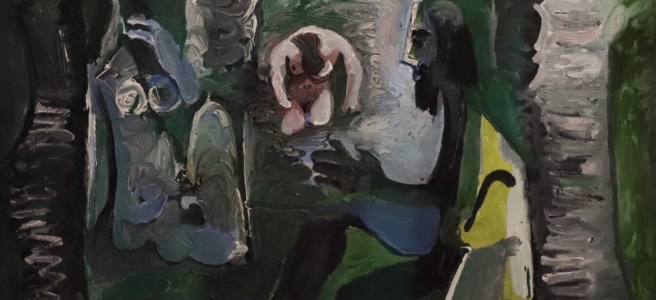
To be honest, I have never been a big Picasso fan. I never quite understood his art all that much. On top of that, I find the personality of Picasso a bit excessive, an all-consuming person that drove most of his lovers to suicide. I think he was a toxic person that created incredible things. But I must admit, perhaps, that is a harsh assessment on arguably the most influential artist of the 20th century. So, I went to the museum with an open heart, willing to learn and test my prejudice. And I love the Hôtel Salé, an hôtel particulière (a mansion that was built by a wealthy family) from the 17th century that houses the museum.
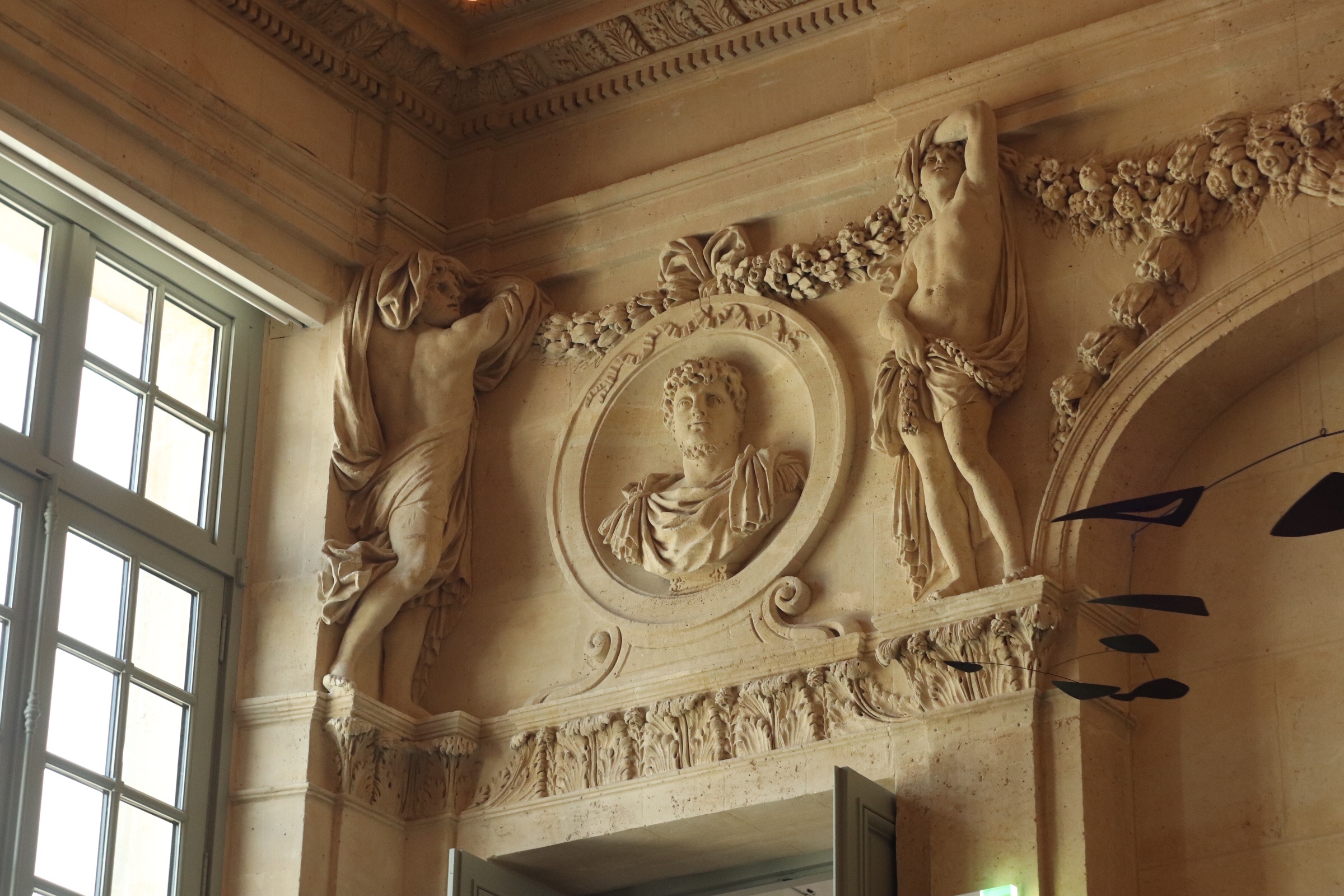
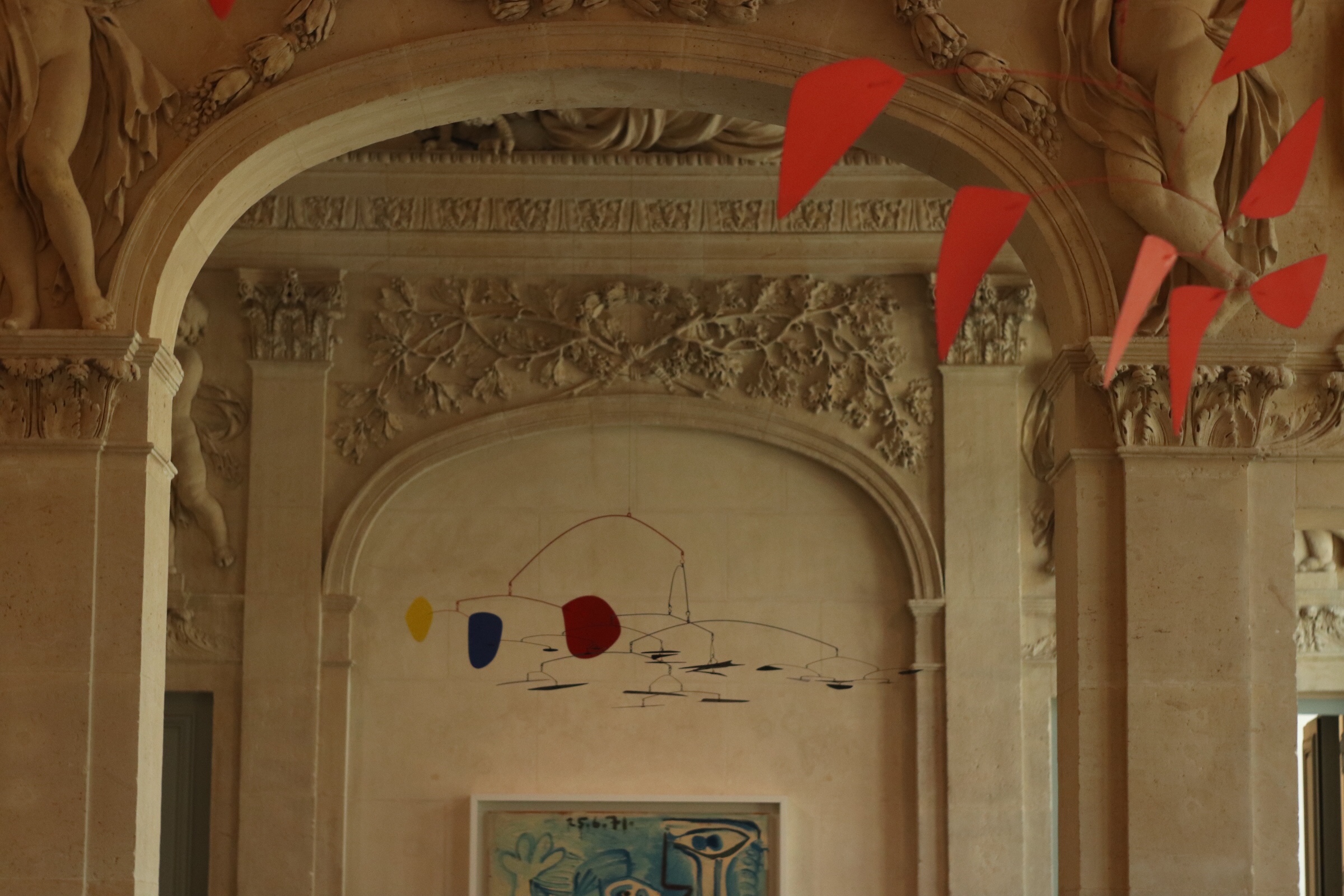
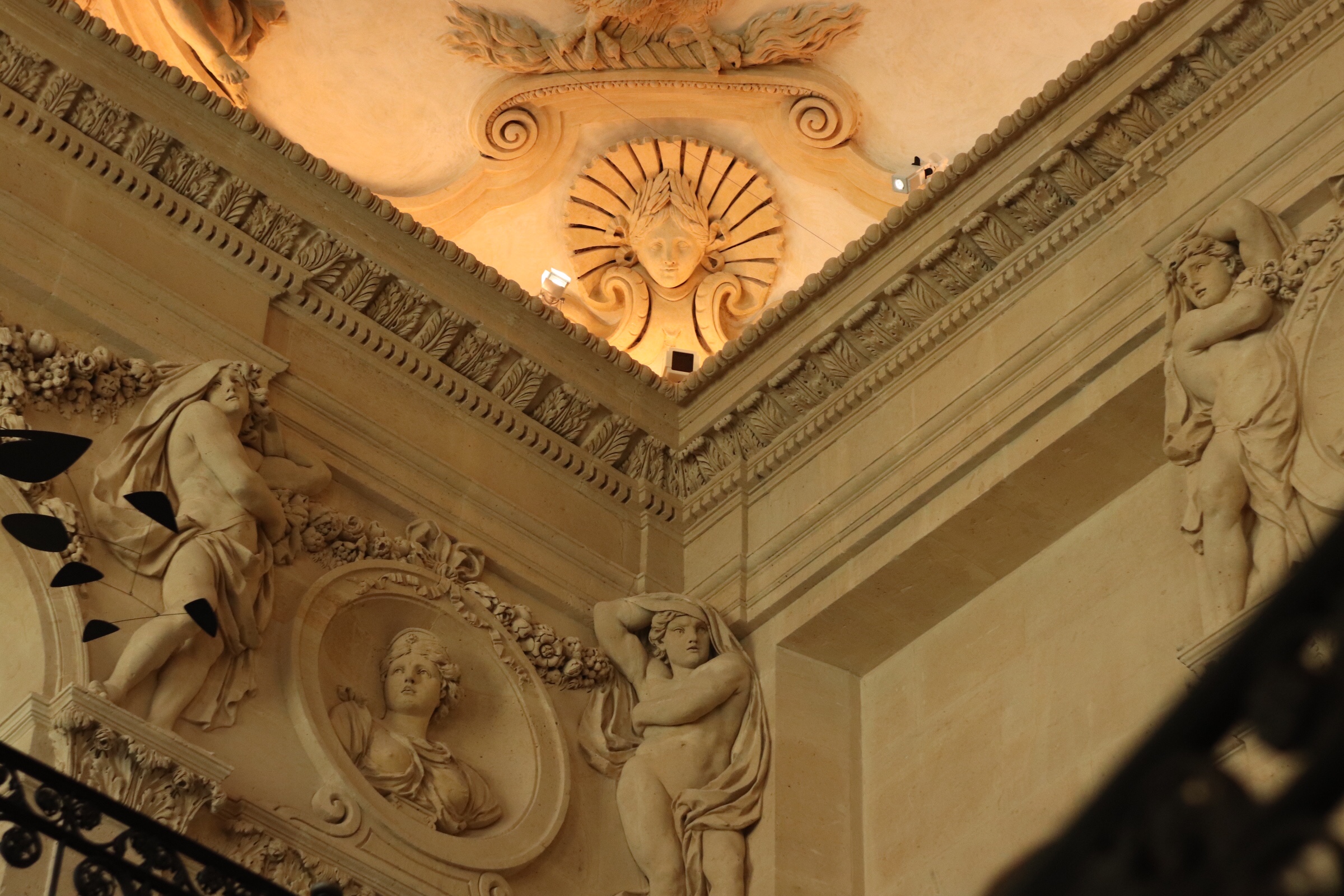
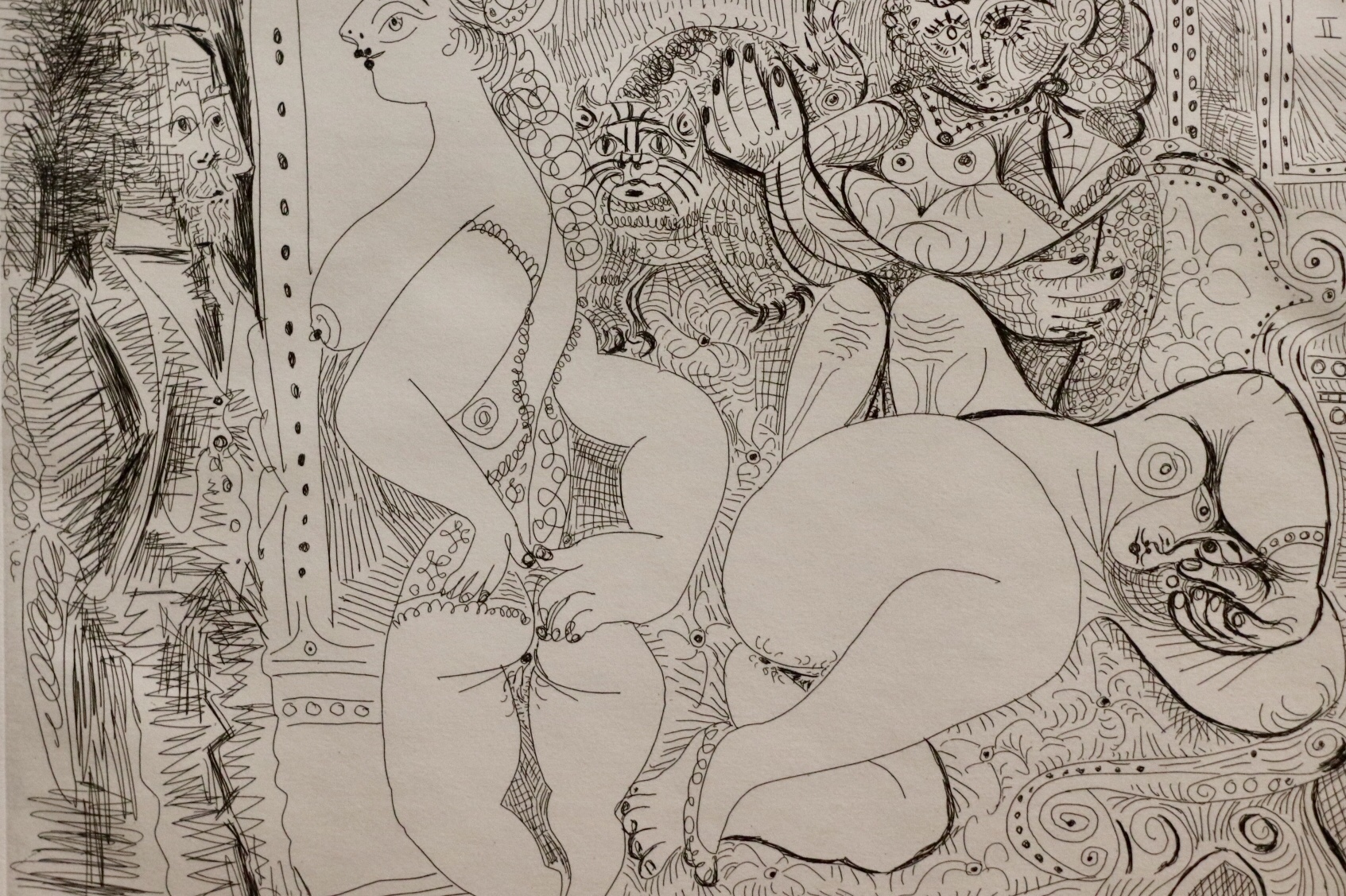
The exhibitions at the Musée National Picasso, particularly the one focused on Picasso’s love of the Mediterranean Sea, helped me better understand Picasso. The colours and shapes in Picasso’s world are often inspired by the traditions of the Mediterranean region. It was interesting to discover this deep admiration for the ancient, because, for me, Picasso was all about pushing boundaries and freeing one’s self from conventional thinking. In my view, it adds a certain depth to his art.
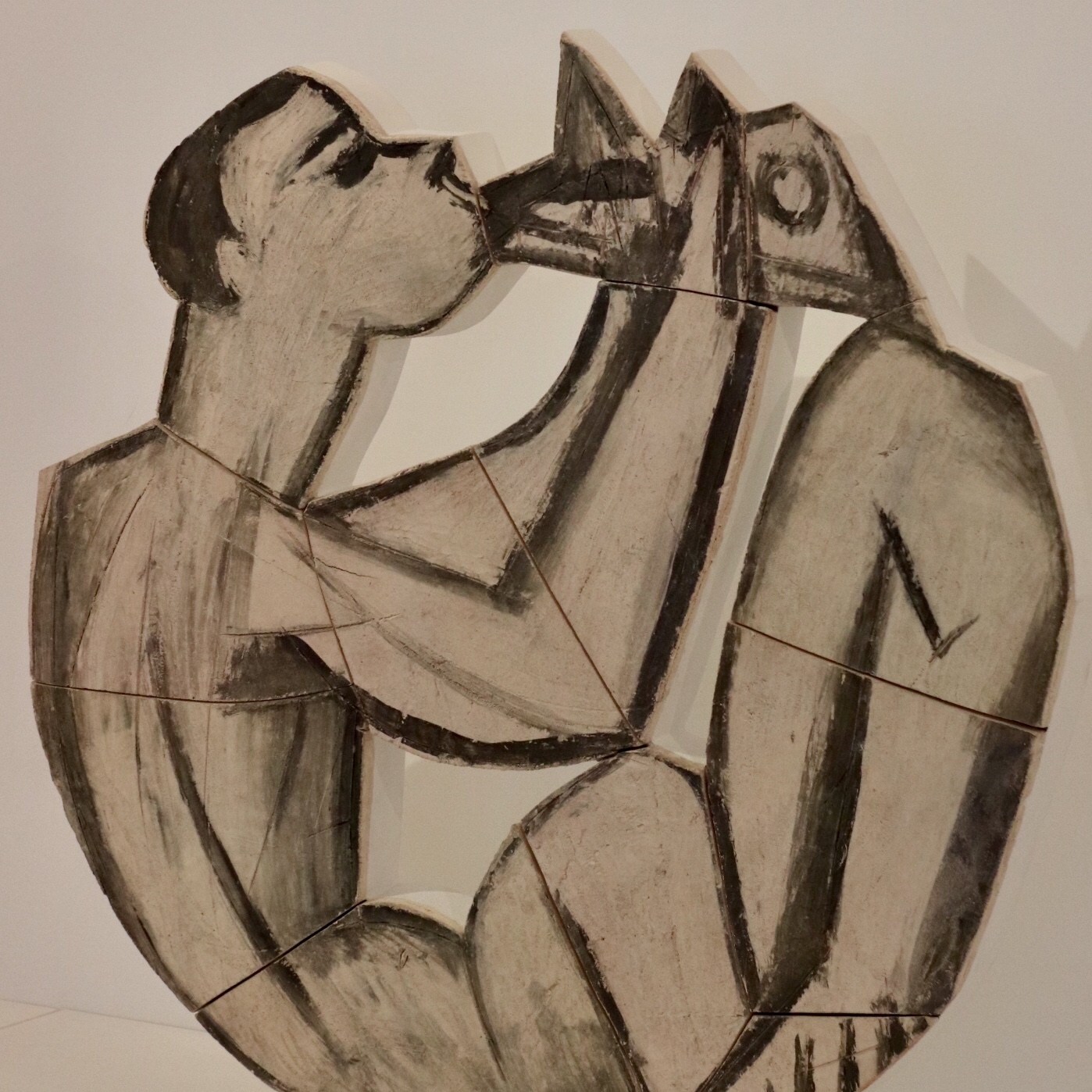
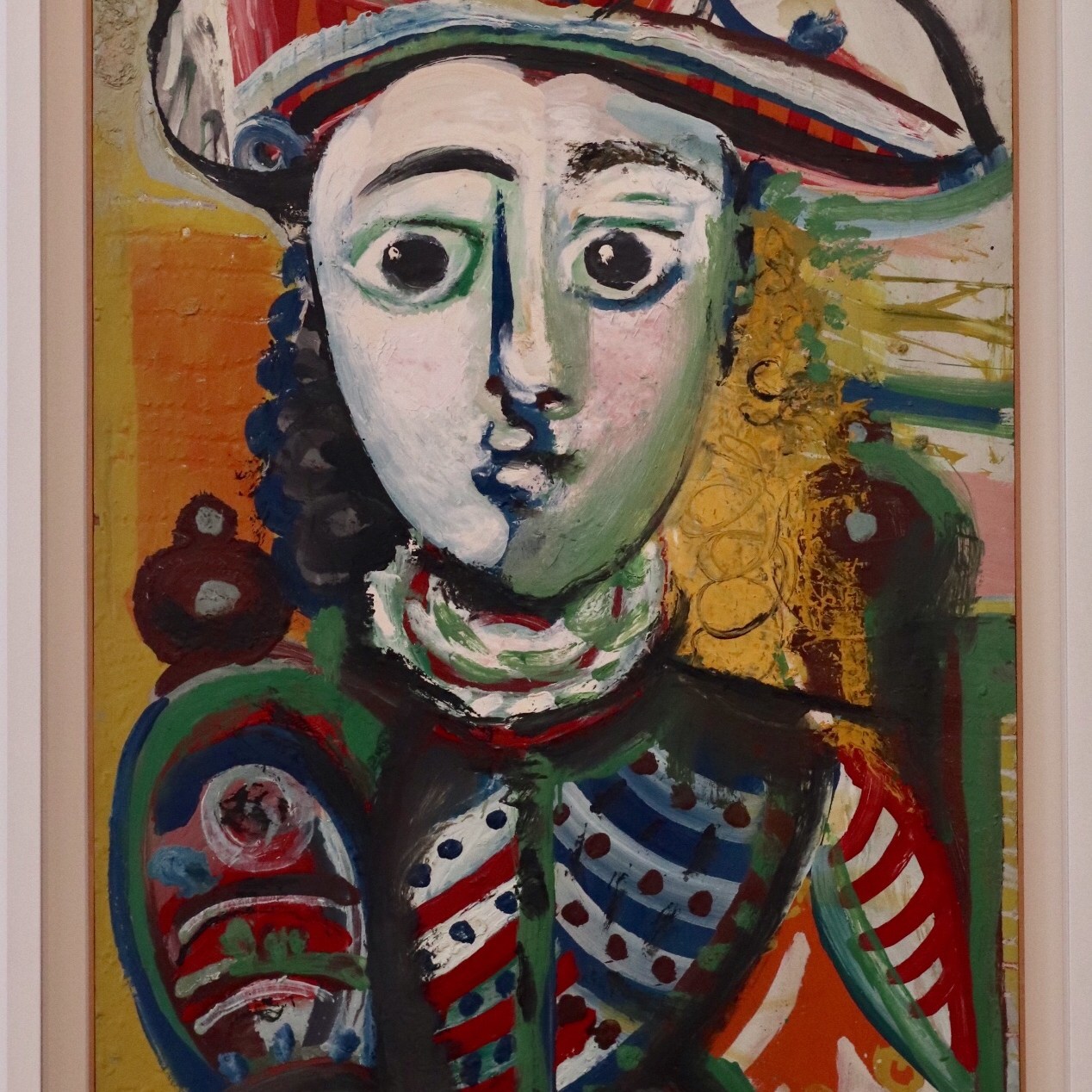

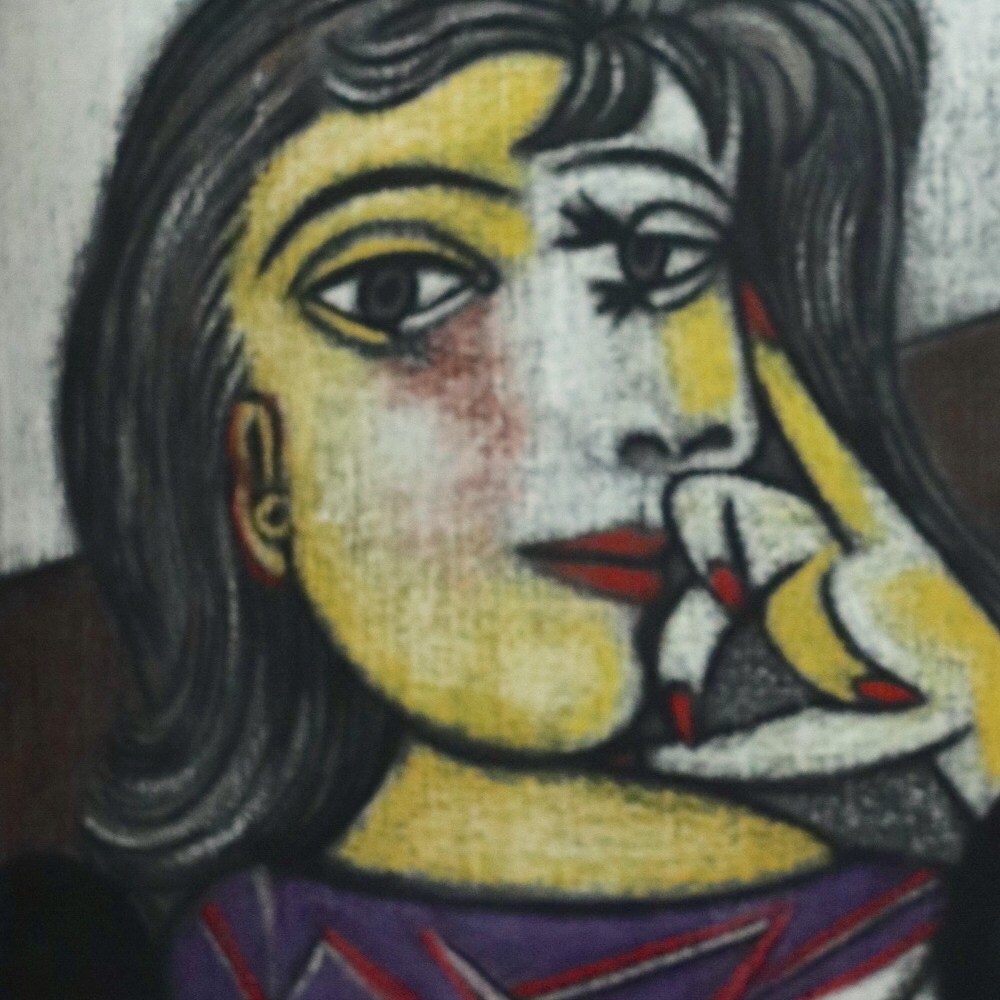
The museum also explored Picasso’s relationships with the people around him (notably women and other painters), Spain, France, politics, nature and so on. It was quite telling to see that some of his partners committed suicide and that he only went to Spain twice after moving to France.
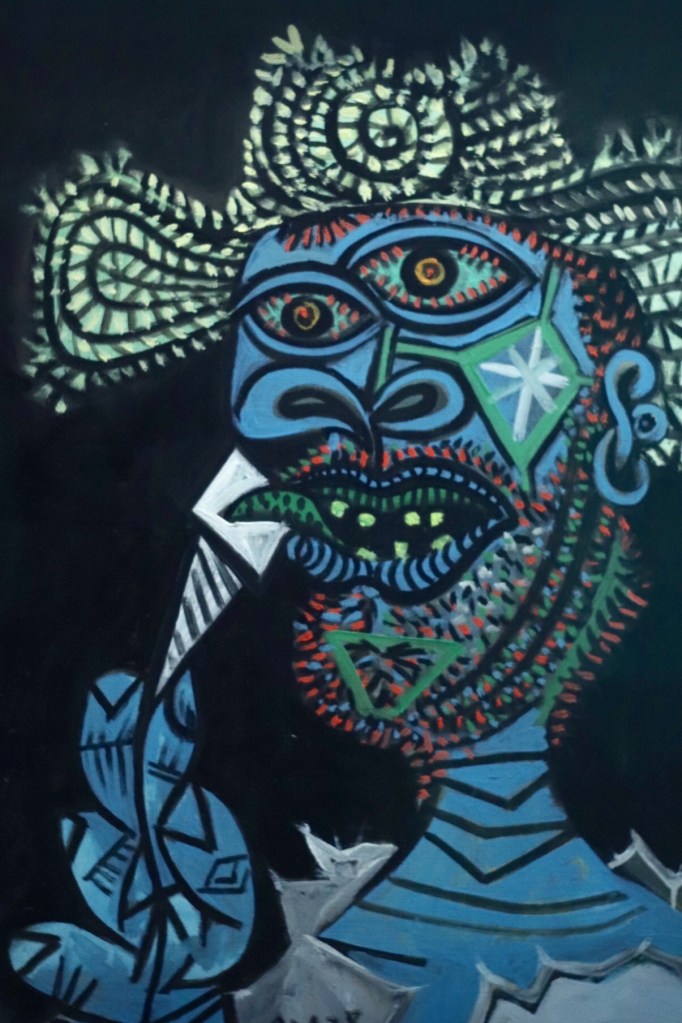
In summary, the museum is not as gigantic as some of the other popular museums in Paris, and lacking the most iconic works by the artist, I might say that it does not have the “wow” factor. But it provides a more intimate view into Picasso’s life and art without being too pedagogic, a view that can only be provided by the country that played host to such a singular artist.

 Les Flâneries