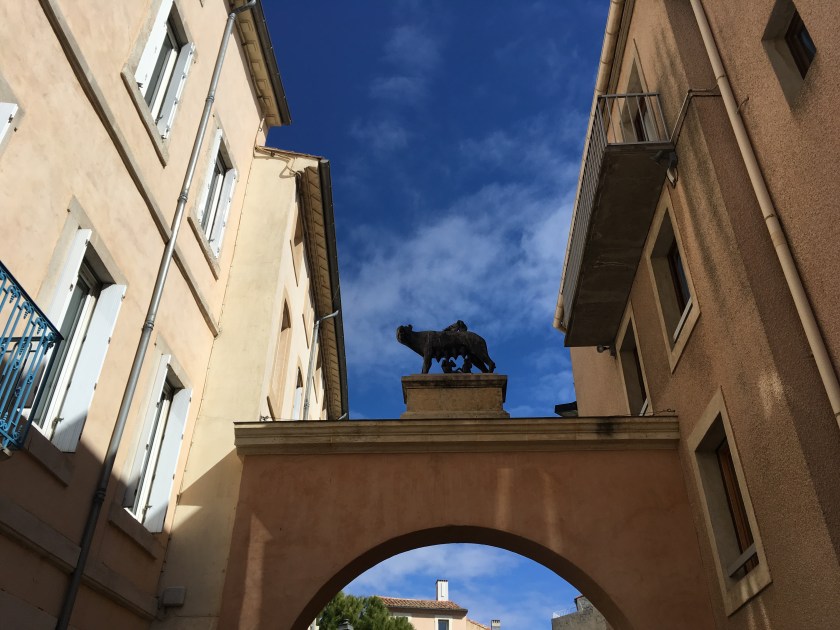
Even to this day, the historic association with Rome is celebrated in Narbonne. We find random signs of this association such as a few statues of the She-Wolf Lupa with Romulus and Remus all around the city.
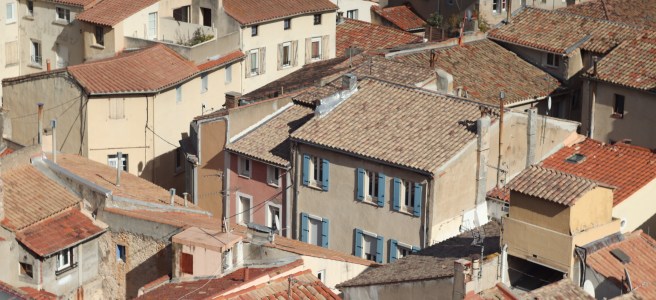
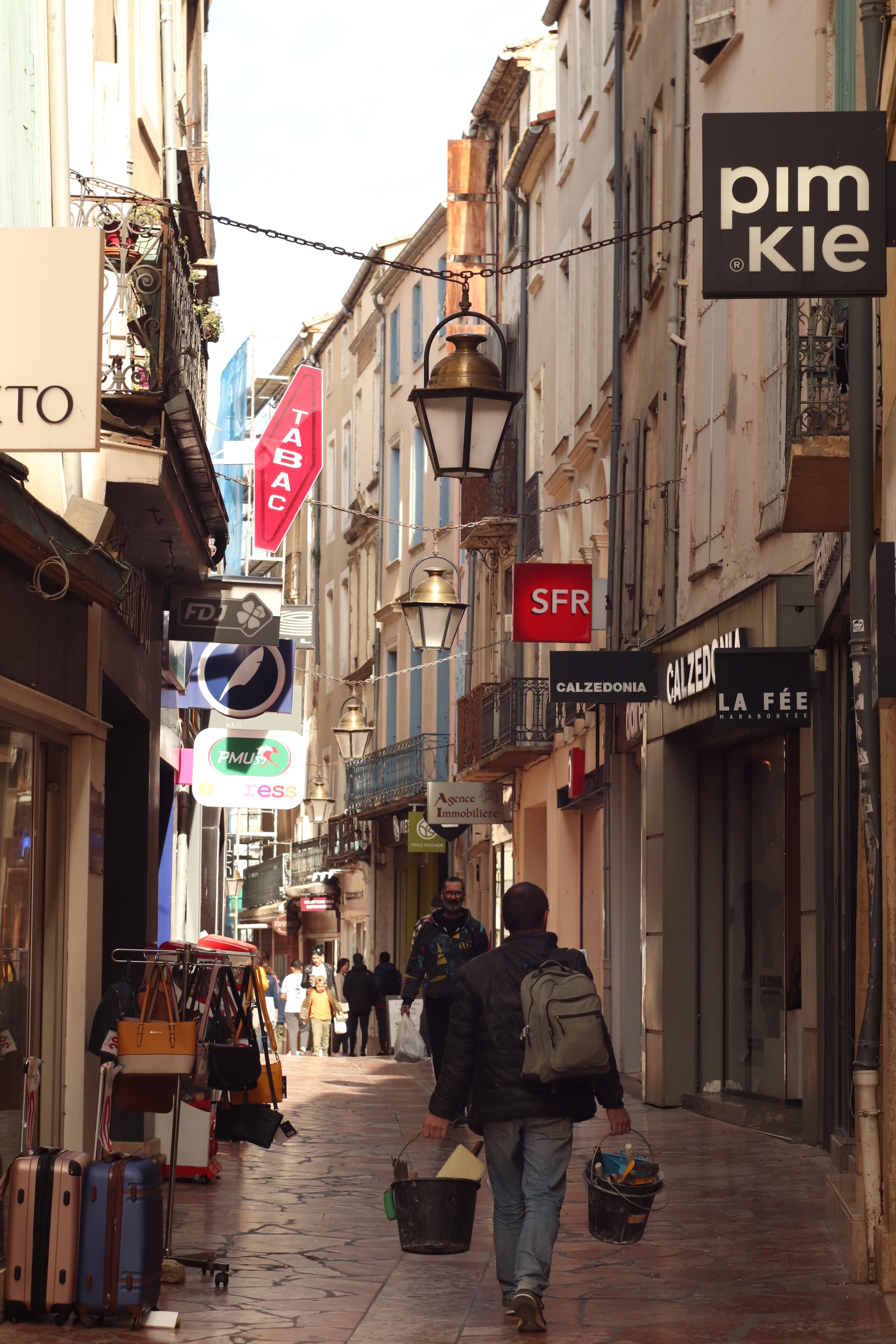
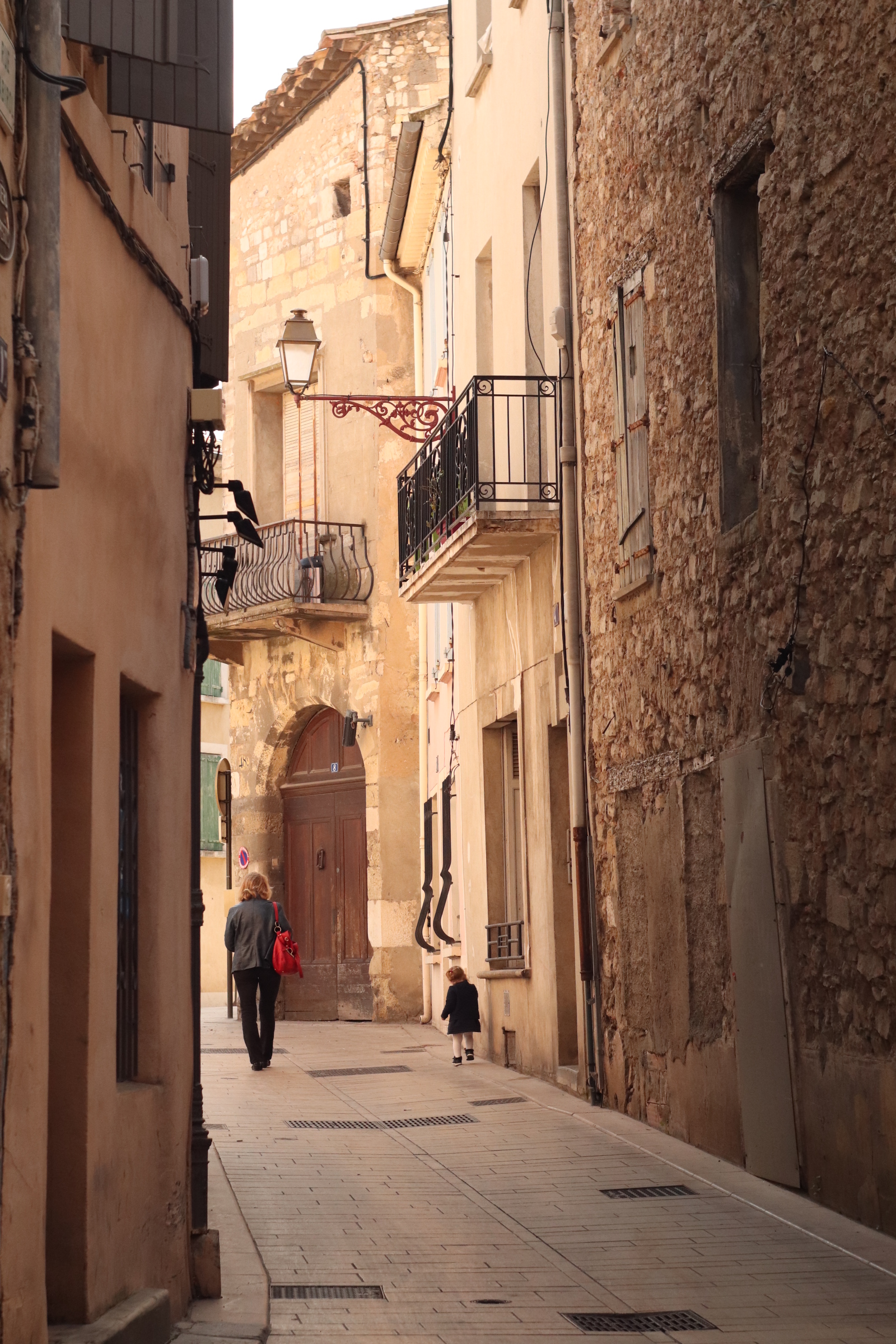
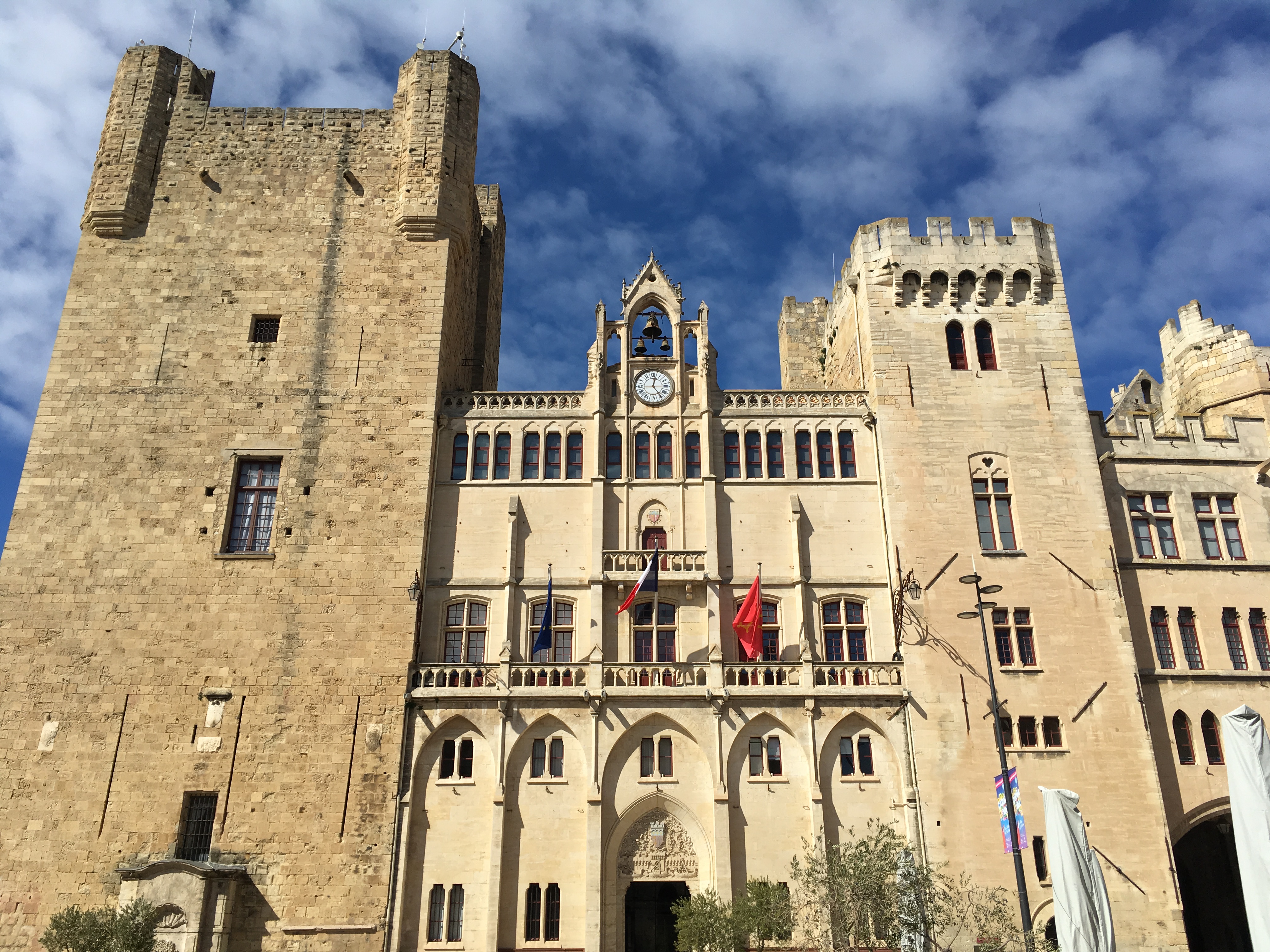
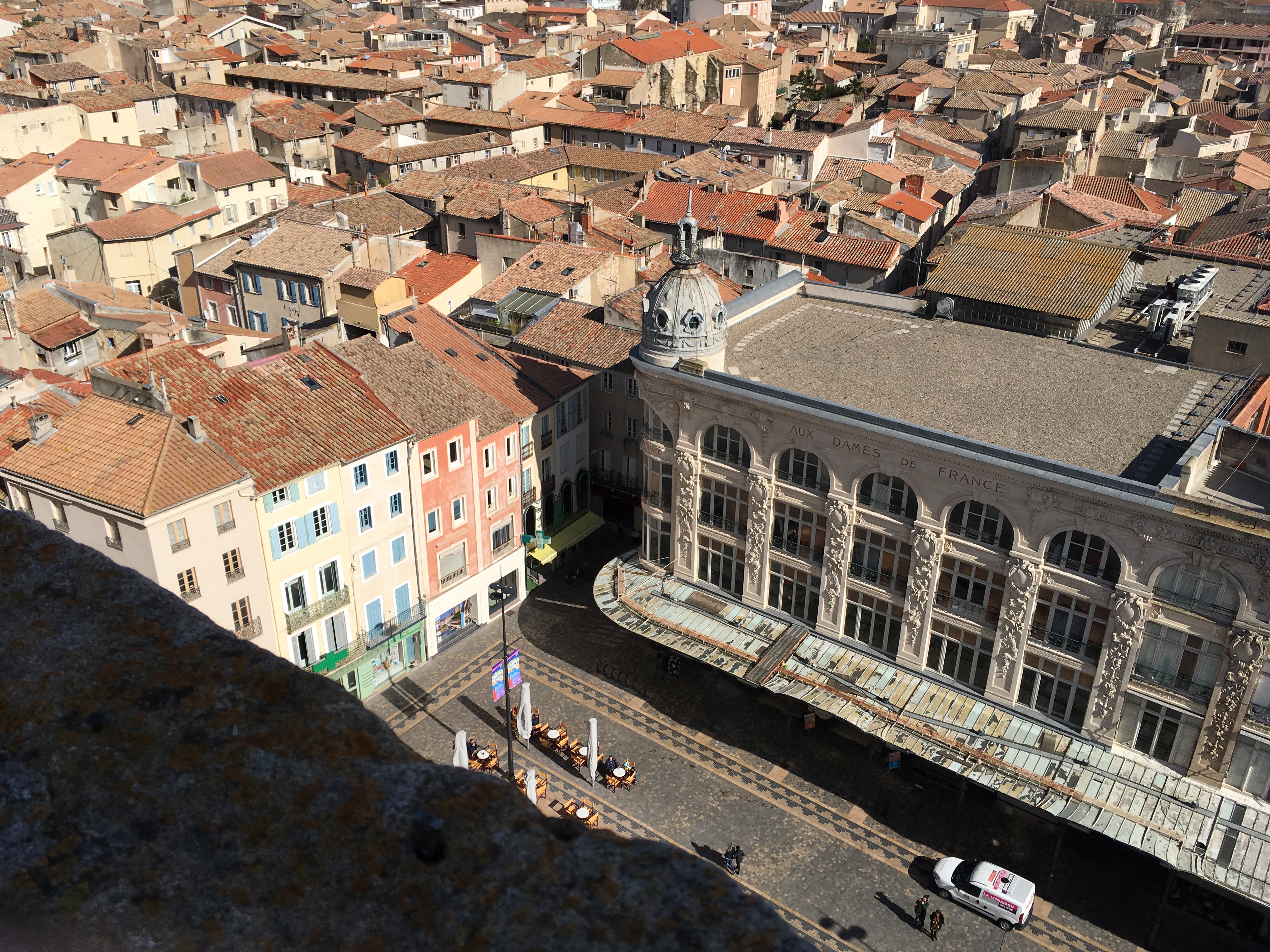
A laid-back atmosphere reigns in this sunny and colourful Mediterranean city. I was there during the last week of March, but the sun was already quite strong. After a while, I started sweating in my light spring jacket. It is very pleasant to get lost and just wander in the winding medieval streets and amongst the pastel-coloured buildings topped with terra-cotta rooftops in the historic centre of Narbonne. I instantly fell in love with the city.

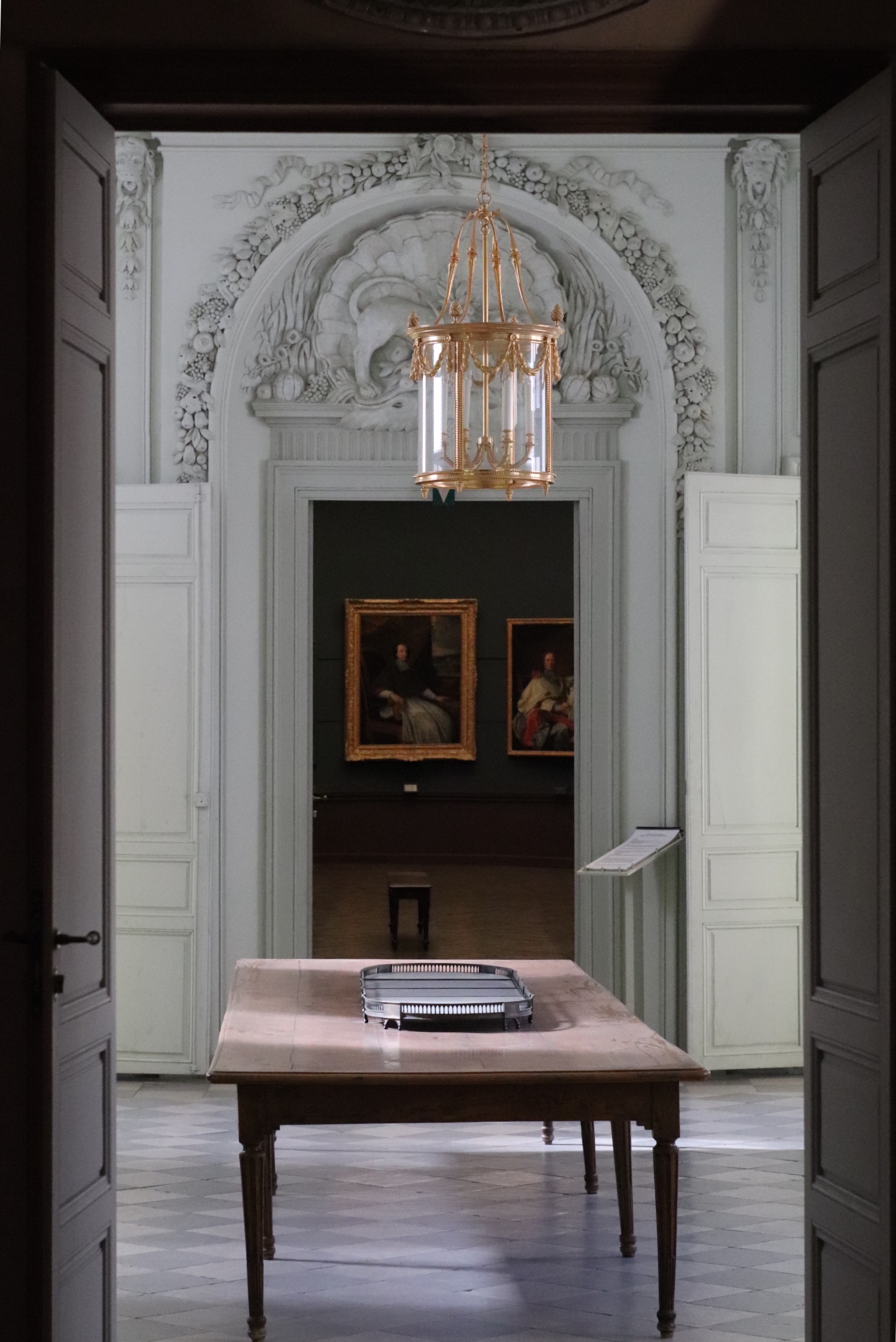
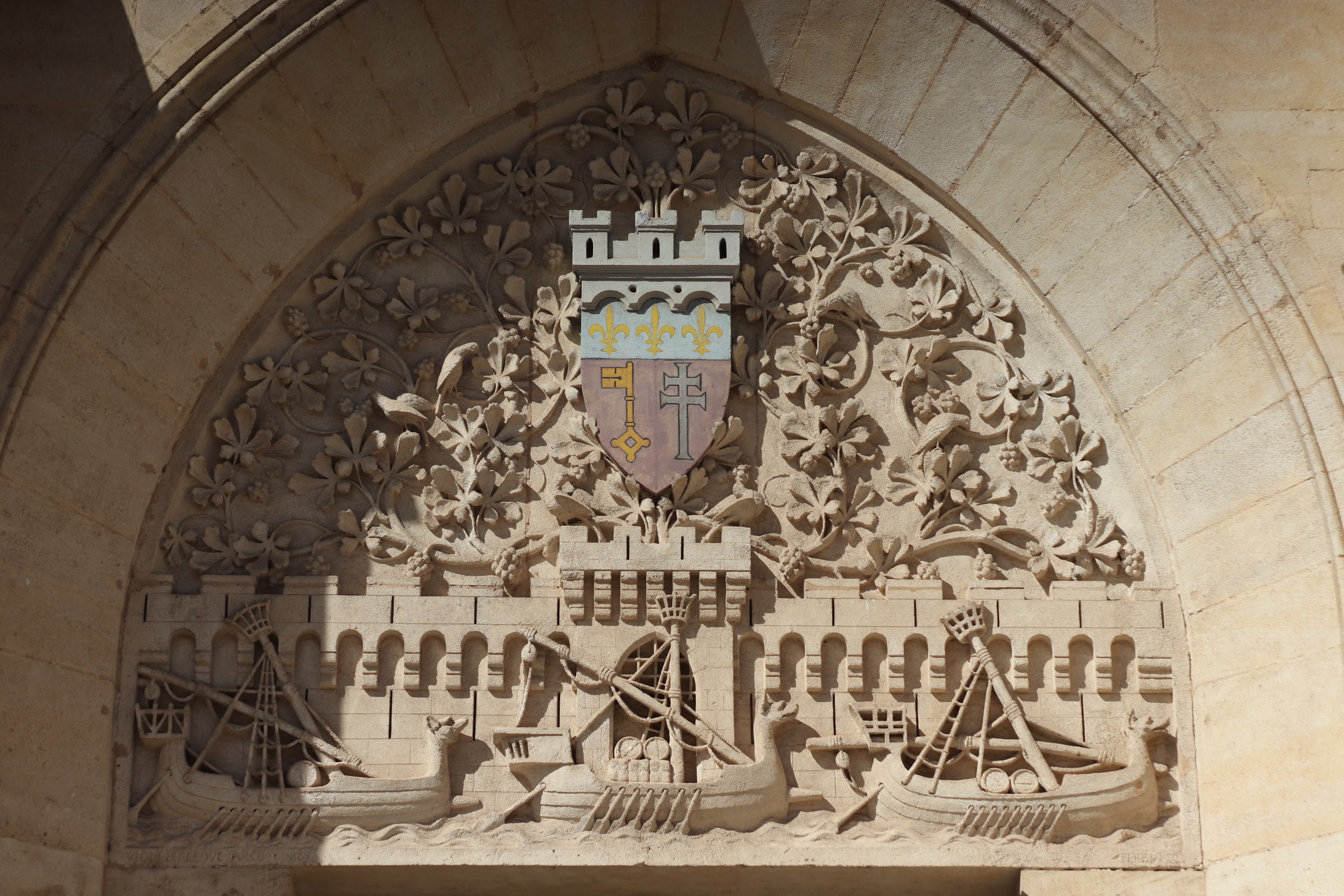
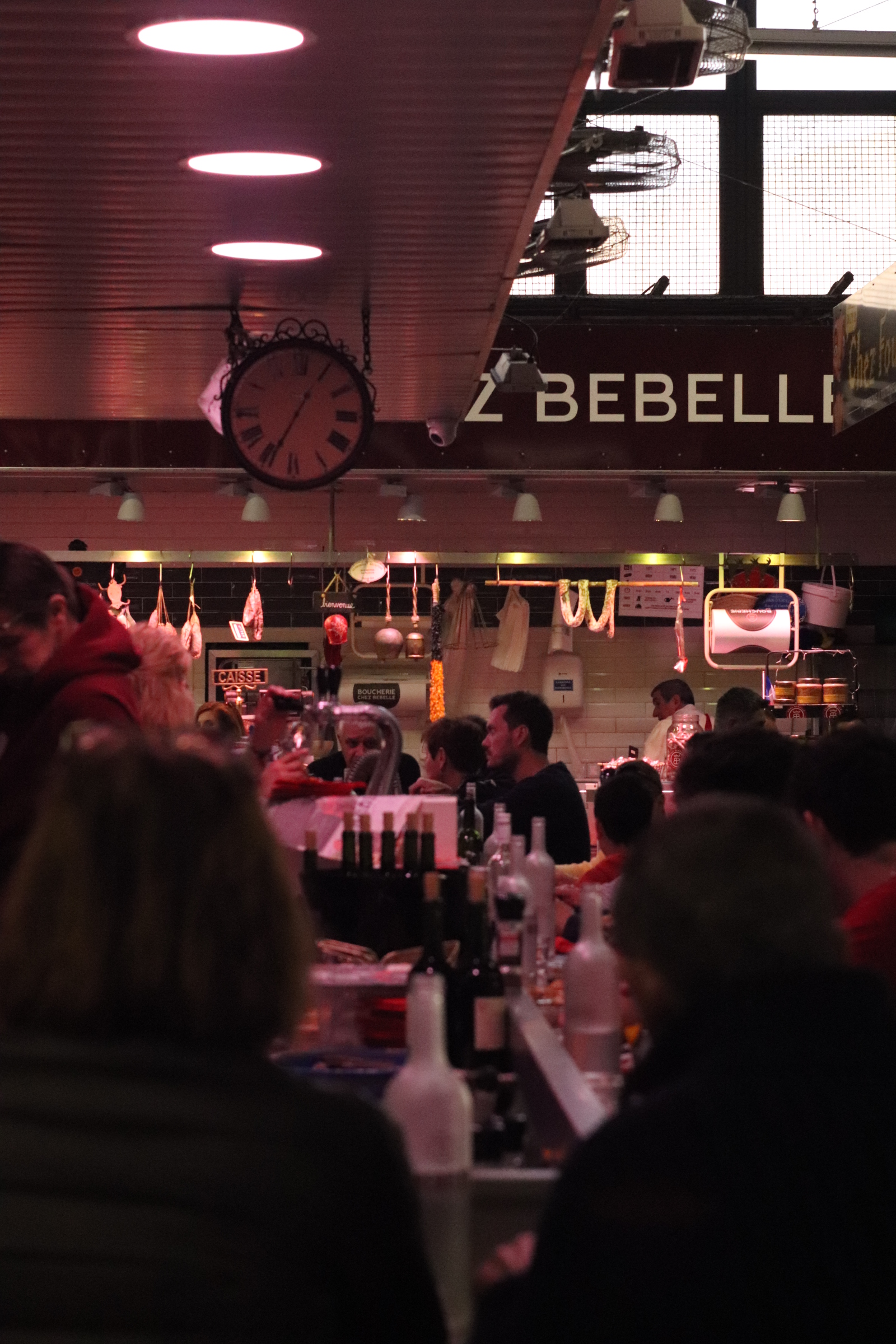
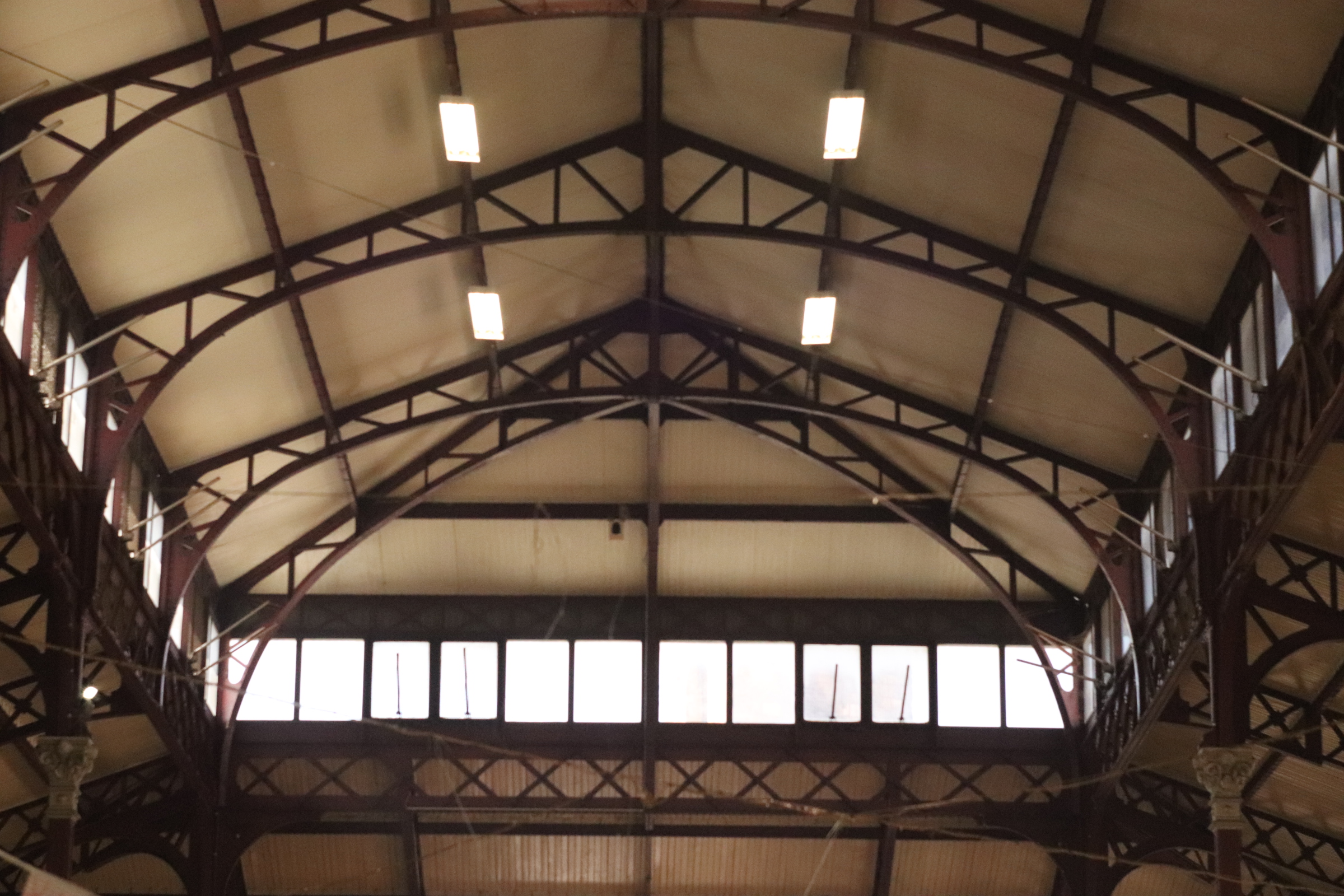
I was pleasantly surprised to find that Narbonne had its own gourmet market, called Les Halles de Narbonne. It is Narbonne’s own version of Barcelona’s La Boqueria, where one can try local delicacies. Of course, Les Halles de Narbonne is much smaller than La Boqueria, but I found it easier to interact with the people around.
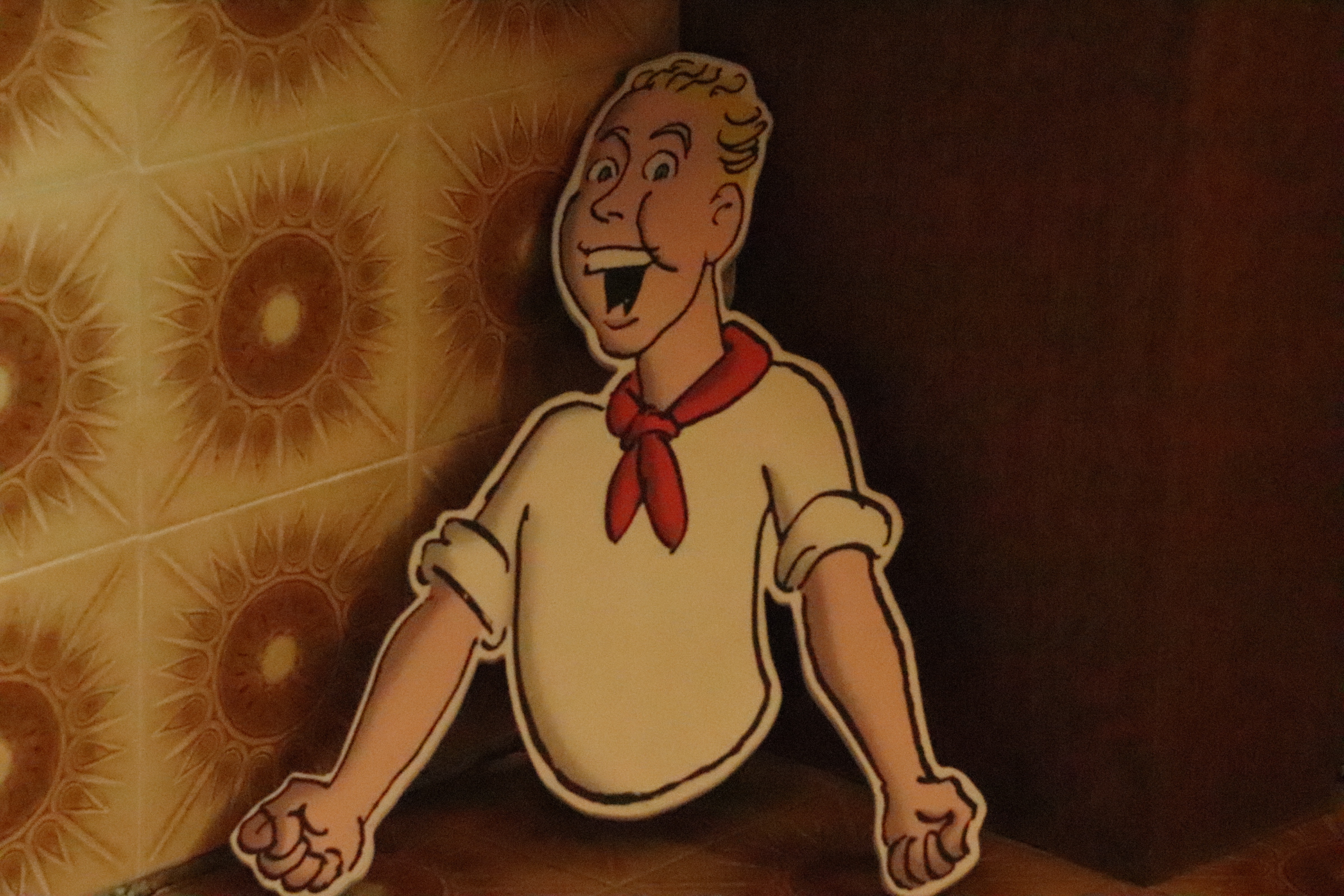
Charles Trenet, the legendary French singer, was born in Narbonne. He is probably best known internationally for the song La Mer. The house in which he was born now serves a museum (La Maison Natale de Charles Trenet), celebrating his music and life. It is a tiny little museum but offers a very intimate account of his interesting life. Through his mother’s second marriage, Trenet was related to the Franco-German film director Benno Vigny and spent some of his formative years as a young and aspiring artist in Berlin. He continued to paint and draw illustrations for the rest of his life, even after his singing career took off.
After a day of exploring and walking in Narbonne, I headed back to Carcassonne to catch my night train back to Paris. In my head, Charles Trenet’s La Mer was playing in an endless loop…


 Les Flâneries