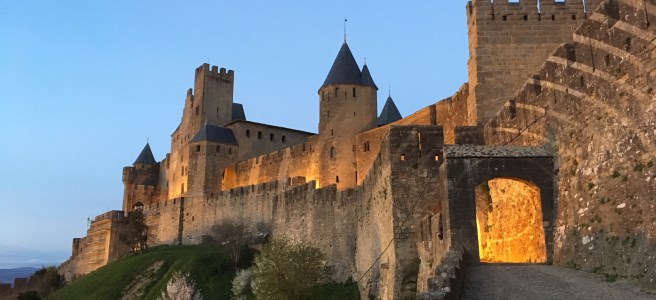
Upon my arrival in Carcassonne by train, I was intrigued by the scenery around me. I had this image of Carcassonne being a walled town, perched on a hill. The train station was right next to an old walled city, but it was not what I had imagined Carcassonne to be. It was pleasant, but it looked like an ordinary mid-sized French city on a flat plain…
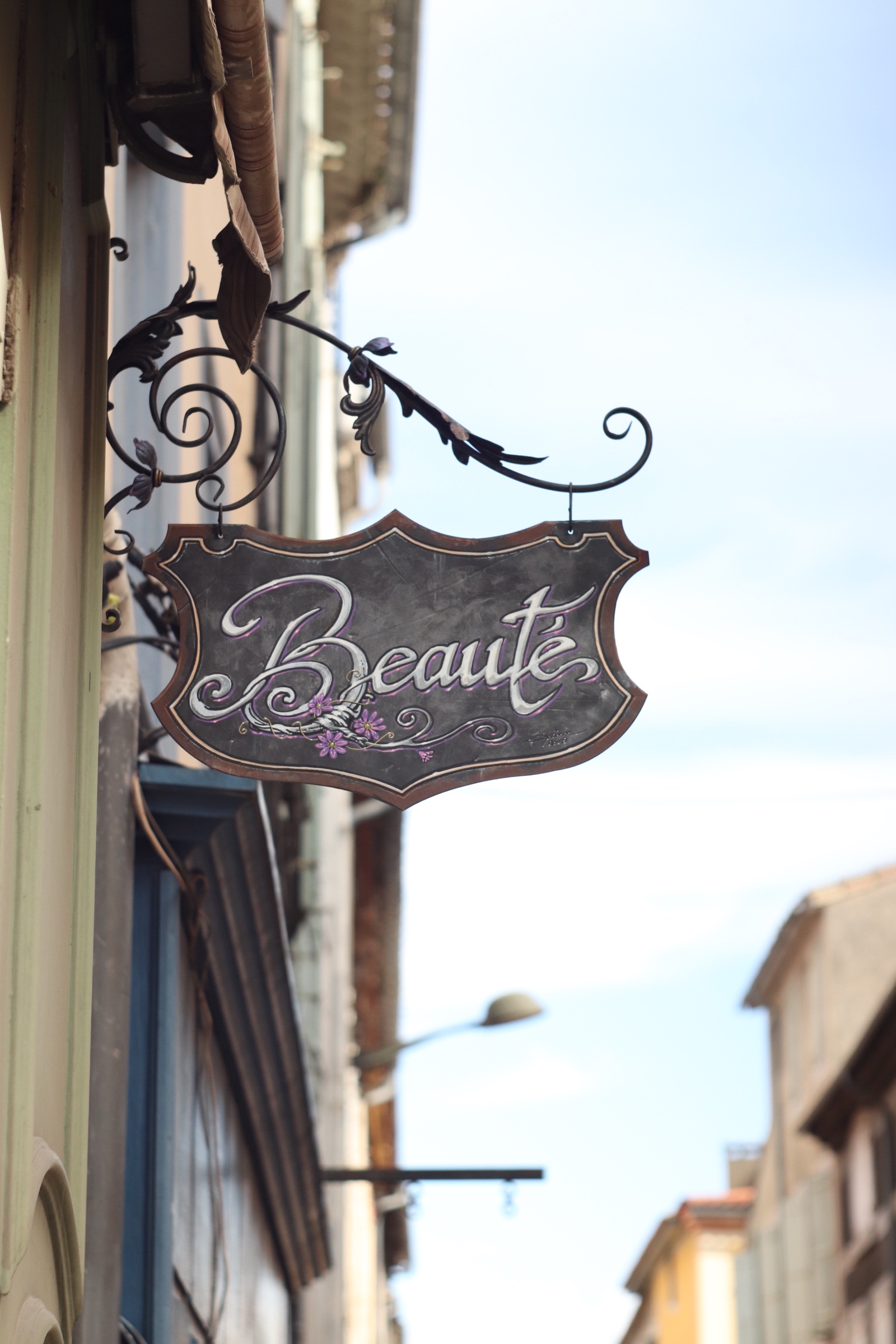
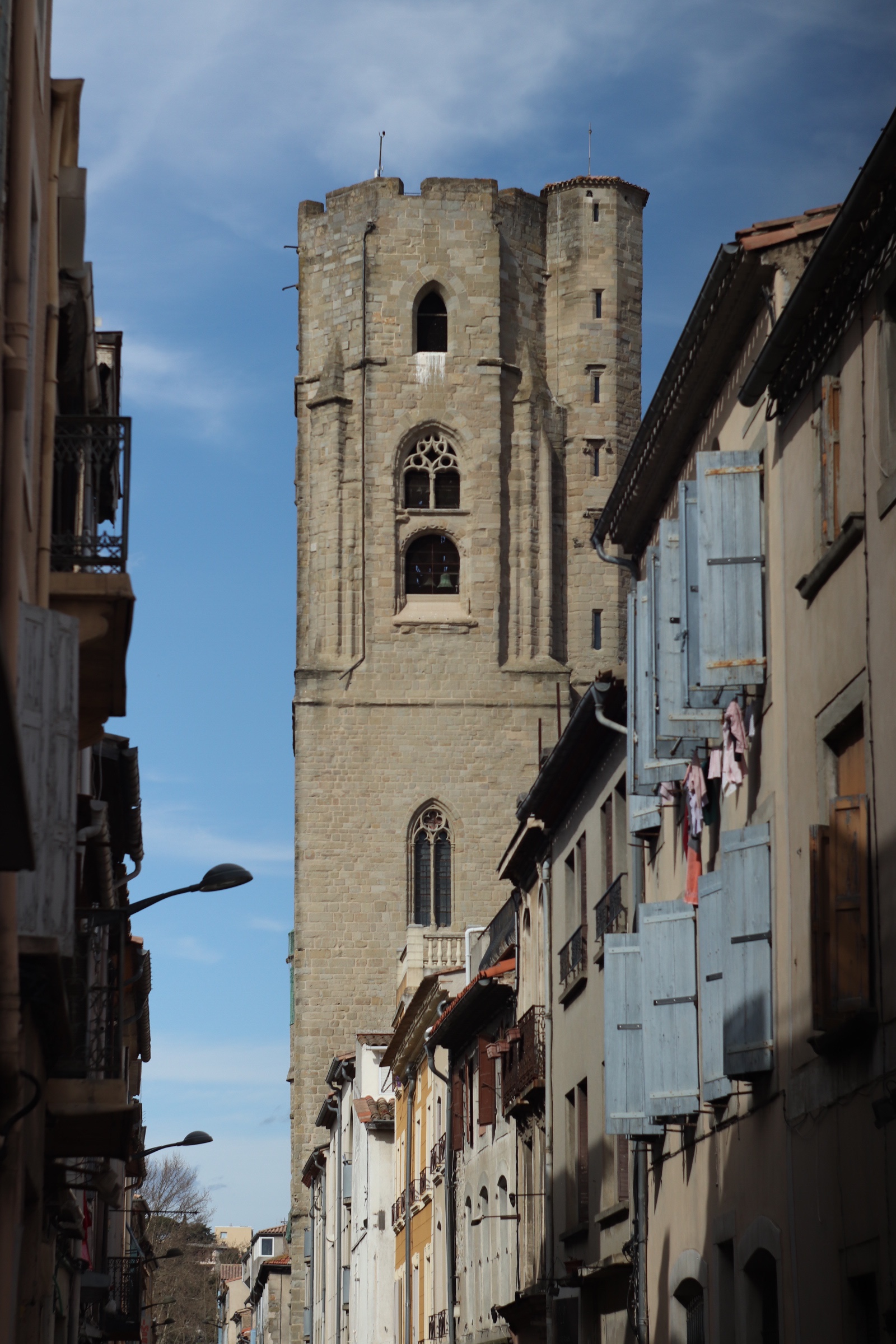
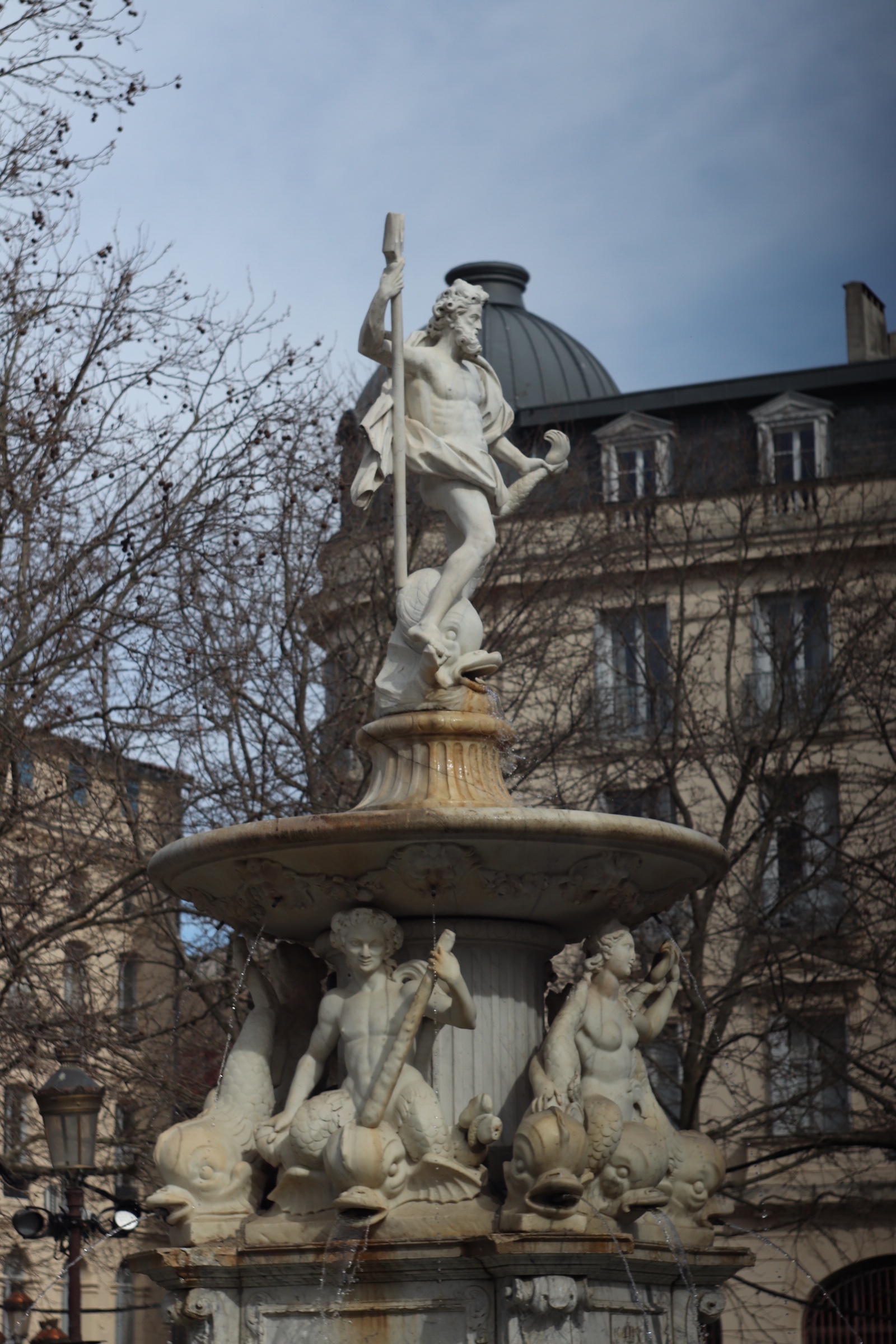
Then I realised that Carcassonne had two old towns: La Cité and La Bastide Saint-Louis. The train station is located to La Bastide Saint-Louis, the “lowertown” built next to the historic and iconic La Cité. As I slowly made my way through the hustle and bustle of La Bastide Saint-Louis, the commercial heart or Carcassonne with pleasant squares and outdoor markets, I started getting glimpses of the impressive citadel of La Cité. The closer I got, the more impressive it got. When I reached the bridge linking La Cité with the Bastide, I was overwhelmed by the “wow” feeling — it was comparable to the moment when I saw Taj Mahal for the first time in India! I stood there for a moment, over the churning flow of the shallow but wide Aube river, admiring the mighty structure from afar and simply in awe of the ingenuity and inspiration of the people who build the citadel over the centuries.
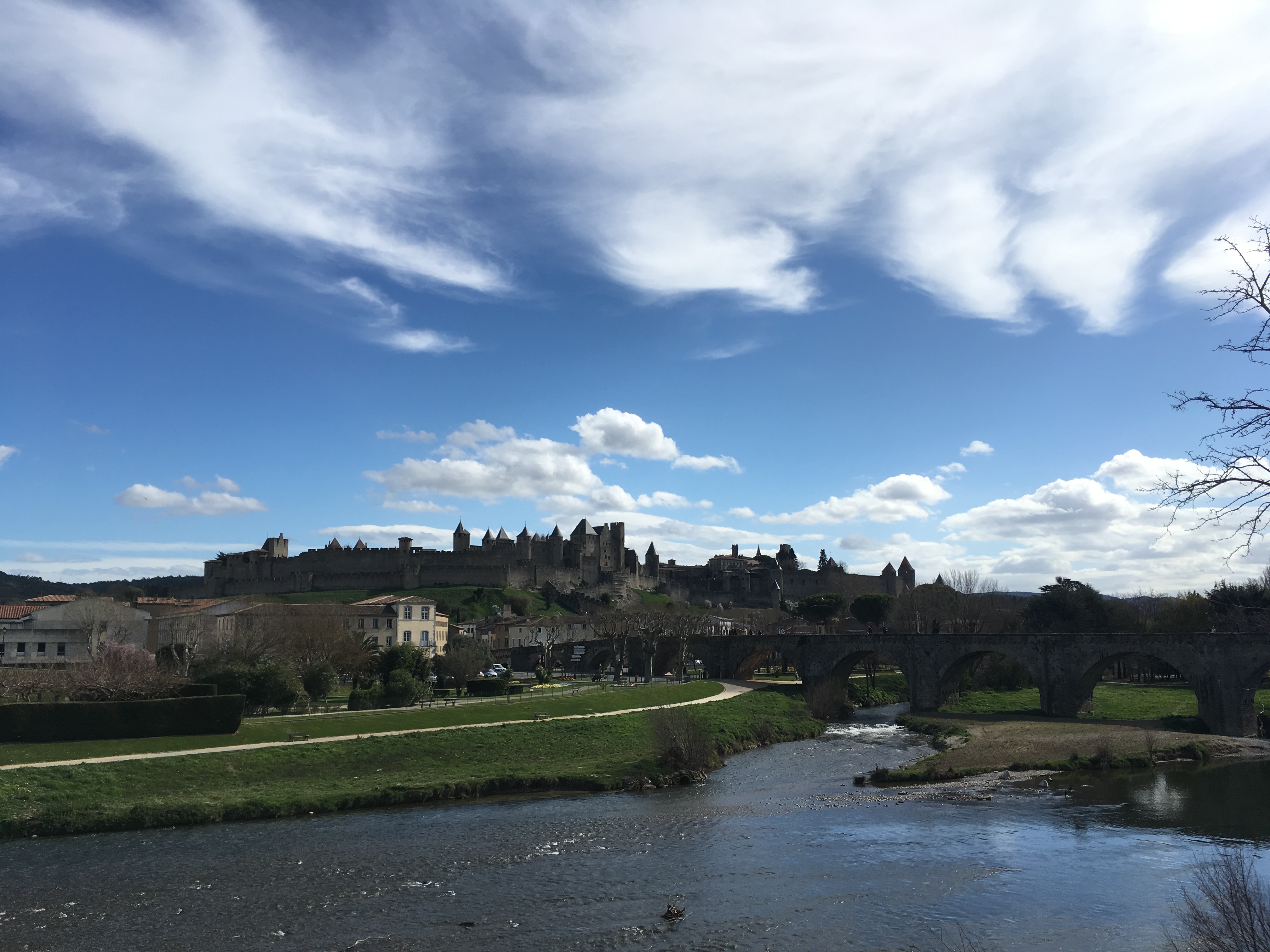
Once you are at the foot of the massive citadel, you can take in the impressive medieval defense system with ramparts and moats. The whole structure is in perfect harmony with the geography of the area: a hill over looking the Aube river and the surrounding plains of the Languedoc region.
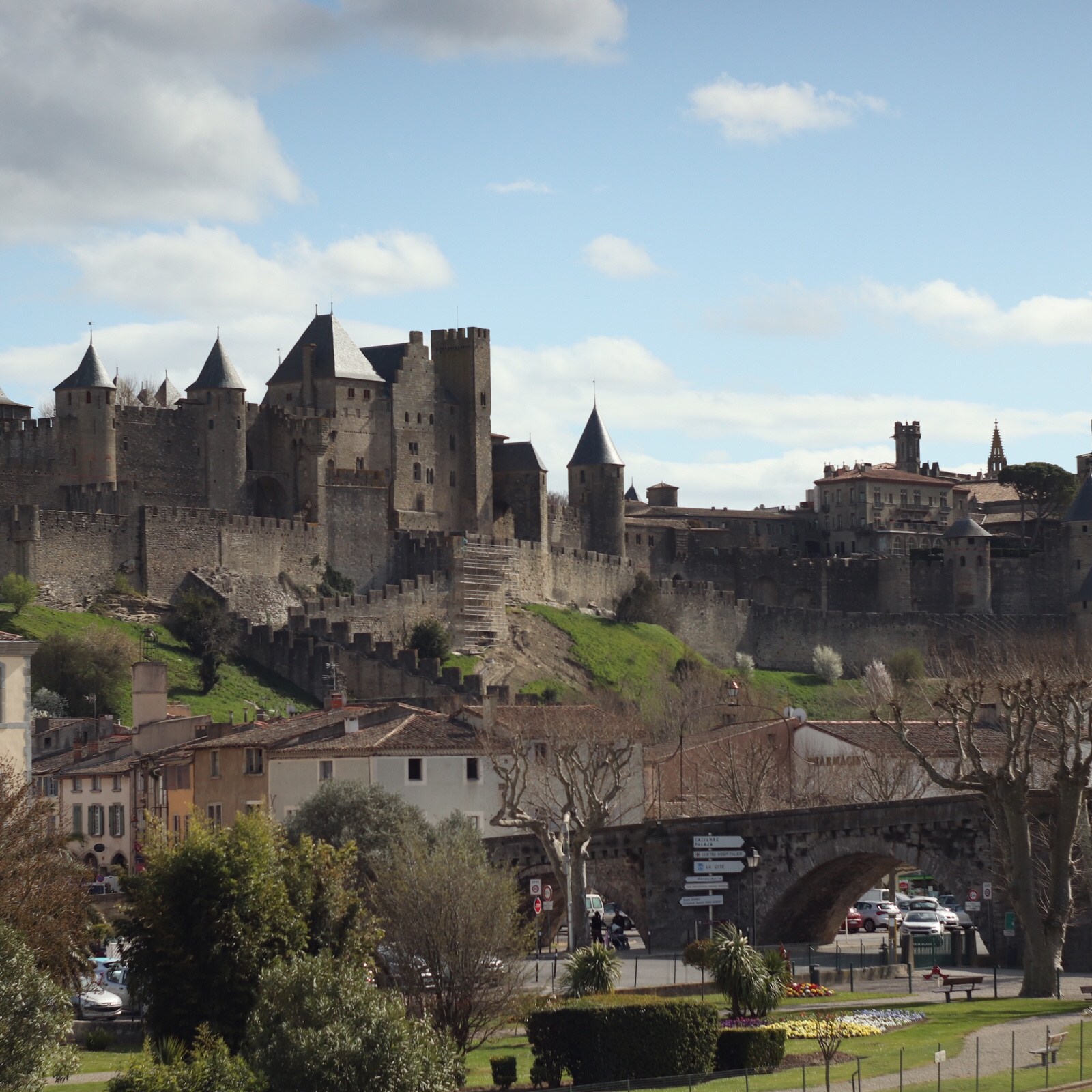
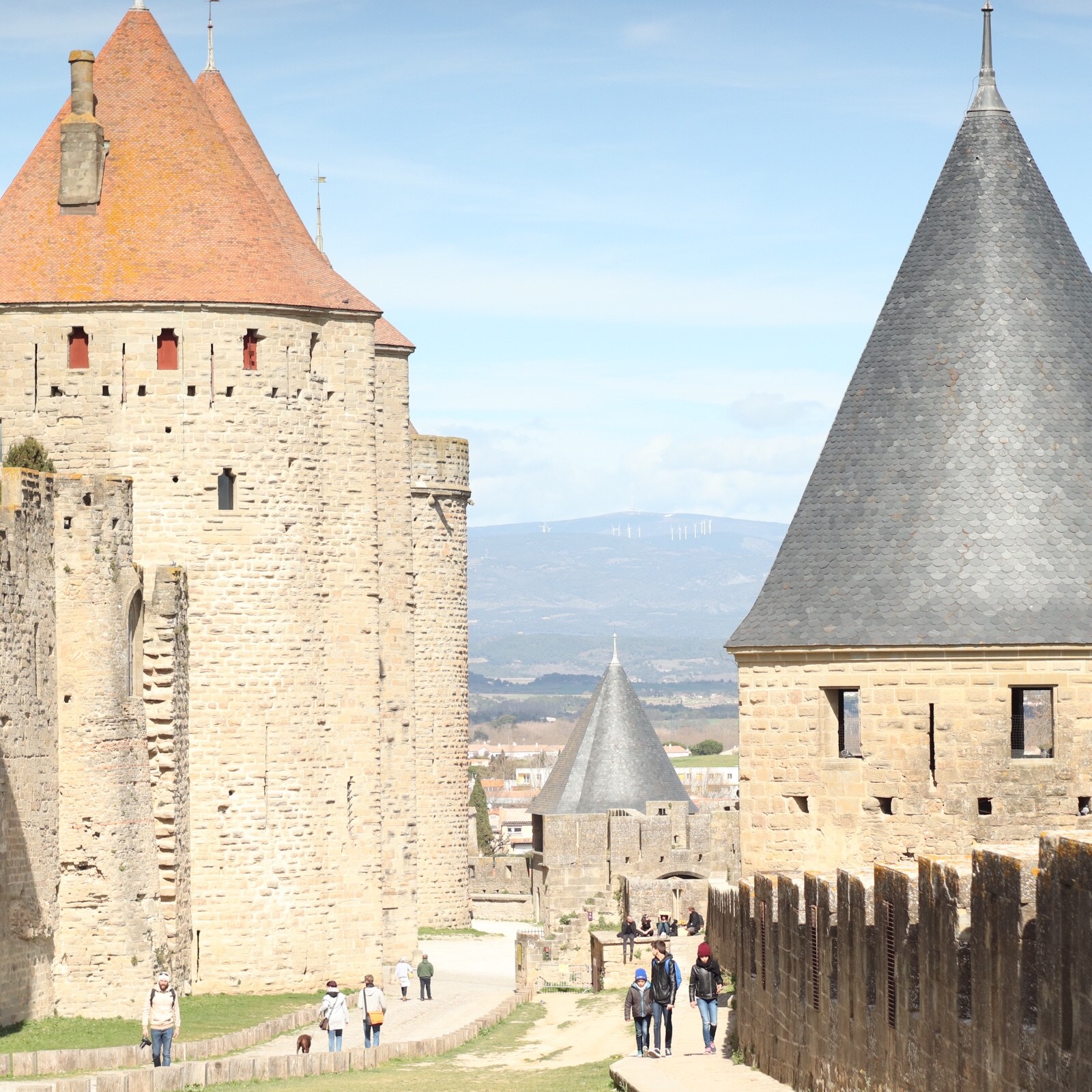
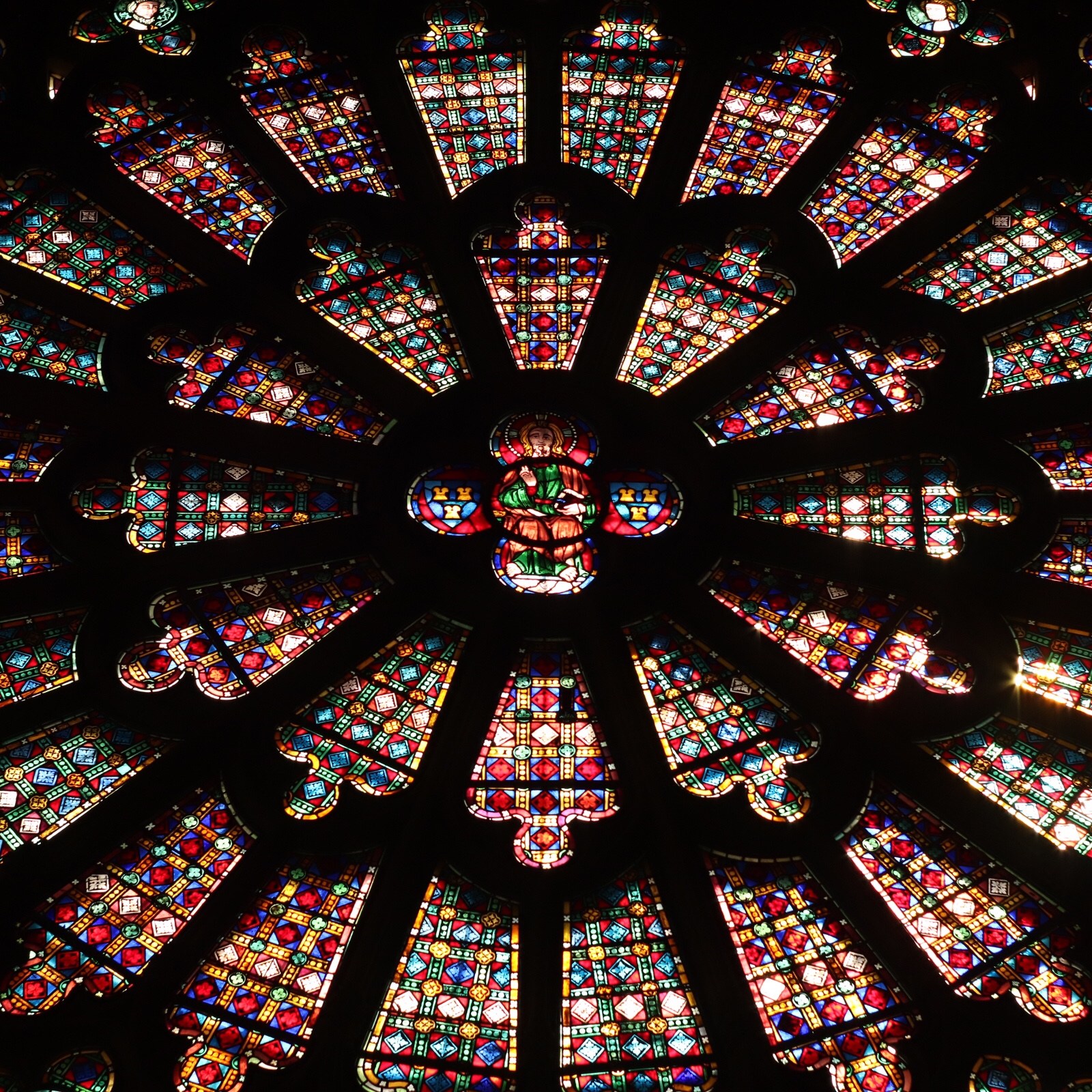
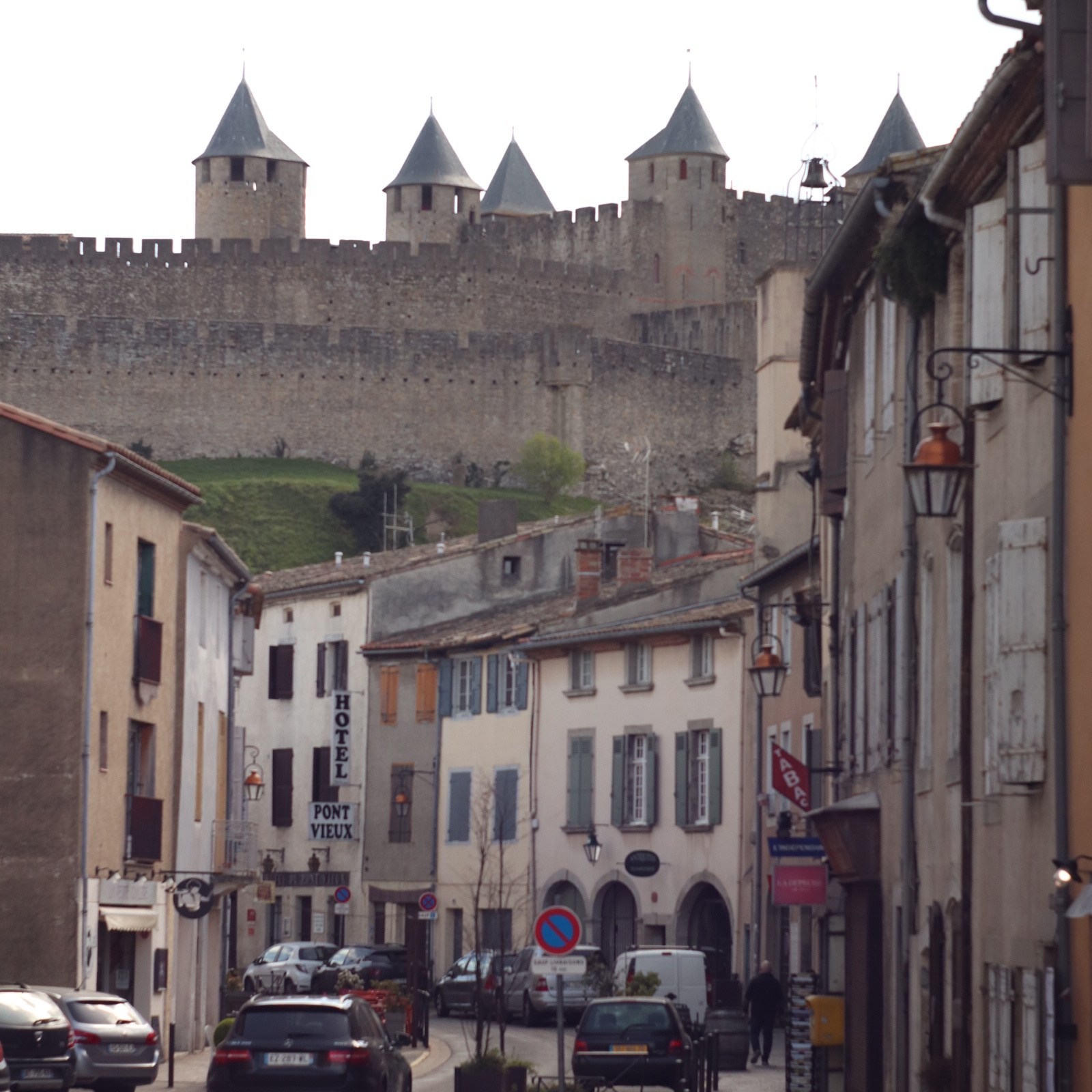
Inside the impregnable walls, one finds a little medieval town, where everything is more human-sized: small houses that have been turned into pleasant restaurants and souvenir shops; a square with a well that is lined with restaurants; narrow and winding streets that can take you on a journey back into the Middle Age.
The second most visited monument in France, after Mont Saint-Michel, did not disappoint! Should you decide to visit Carcassonne, I would definitely recommend reading “Labyrinth” by Kate Mosse, which gives an interesting account of the history surrounding the Citadel.

 Les Flâneries